
Introduction
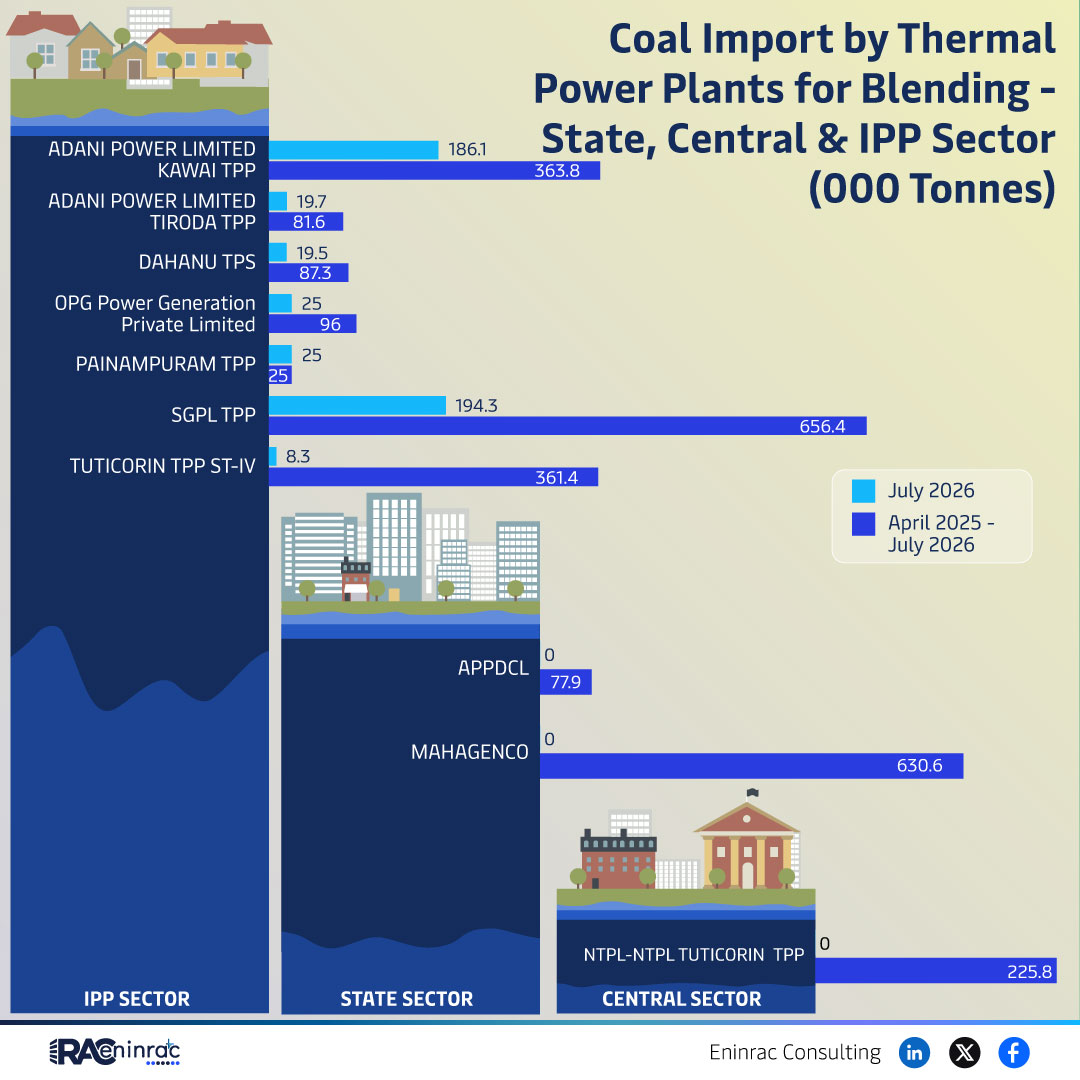
The recent compilation of coal import data for Indian thermal power plants reveals how major generators blend imported coal to meet their fuel mix. Understanding coal import by thermal power plants is essential for evaluating fuel strategies. This information is critical for investors, policymakers, and industry analysts who track fuel security, cost trends, and environmental compliance across the power sector. In this article we examine the key plants listed, the timing of their import contracts, and the implications for the broader conventional energy landscape in India.
What Does the Data Reveal About This Topic?
The data shows that several large‑scale generators—such as Adani Power Limited, Tiroda TPP, Dhanbad TPS, and Tuticorin TPP—have scheduled coal imports for blending during the fiscal periods ending April 2025 and July 2026. These imports are split across state‑run, central, and Independent Power Producer (IPP) sectors, indicating coordinated procurement strategies to balance domestic coal shortages with international supply. The presence of private firms like OPG Power Generation and SGPL TPP further highlights a diversified demand base.
Regional and Plant‑Level Import Trends
When the list is broken down, a clear pattern emerges: coastal plants such as Tuticorin TPP and Painampuram TPP are positioned to receive coal shipments earlier, aligning with their July 2026 import window, while inland facilities like Dhanbad TPS focus on the April 2025 timeframe. Adani Power’s dual listing (standard and “000 Tonnes”) suggests a volume‑specific contract that may serve multiple plants within its portfolio. Meanwhile, Mahagenco and APPDCL appear to operate under the central sector, potentially leveraging government‑backed logistics to secure lower freight rates.
Impact on Sectors and Industries
The blending of imported coal directly affects the cost structure of electricity generation, which in turn influences wholesale power prices, renewable‑energy competitiveness, and the financial health of power‑producer balance sheets. For the conventional energy sector, reliable import schedules reduce the risk of plant outages and support grid stability during peak demand periods. Investors monitor these contracts to gauge revenue visibility, while policymakers assess import volumes to shape fuel‑diversification policies and environmental standards. The data also signals opportunities for logistics providers, coal traders, and consulting firms such as RAGninrac Eninrac Consulting, which may advise on contract optimisation.
Key Takeaways
- Major thermal generators have secured imports for 2025‑2026.
- Coastal plants receive coal earlier than inland facilities.
- Both state and IPP sectors participate in blending contracts.
- Adani Power shows volume‑specific procurement (“000 Tonnes”).
- Import timing aligns with fiscal planning and grid demand.
- Logistics and consulting services are integral to contract execution.
FAQs
Why do thermal power plants blend imported coal?
Blending imported coal helps plants meet quality specifications, manage price volatility, and compensate for domestic supply gaps.
Which plants are scheduled to receive coal in July 2026?
Tuticorin TPP, Painampuram TPP, and related coastal facilities have contracts targeting the July 2026 window.
What sectors are involved in these import contracts?
The data lists state‑run, central, and Independent Power Producer (IPP) sectors, indicating broad‑based participation.
How does coal import affect electricity pricing?
Imported coal often carries higher freight costs, which can raise generation expenses and influence wholesale power rates.
Can investors use this data for decision‑making?
Yes; contract dates and volumes provide insight into revenue certainty and operational risk for power‑sector investors.