
Introduction
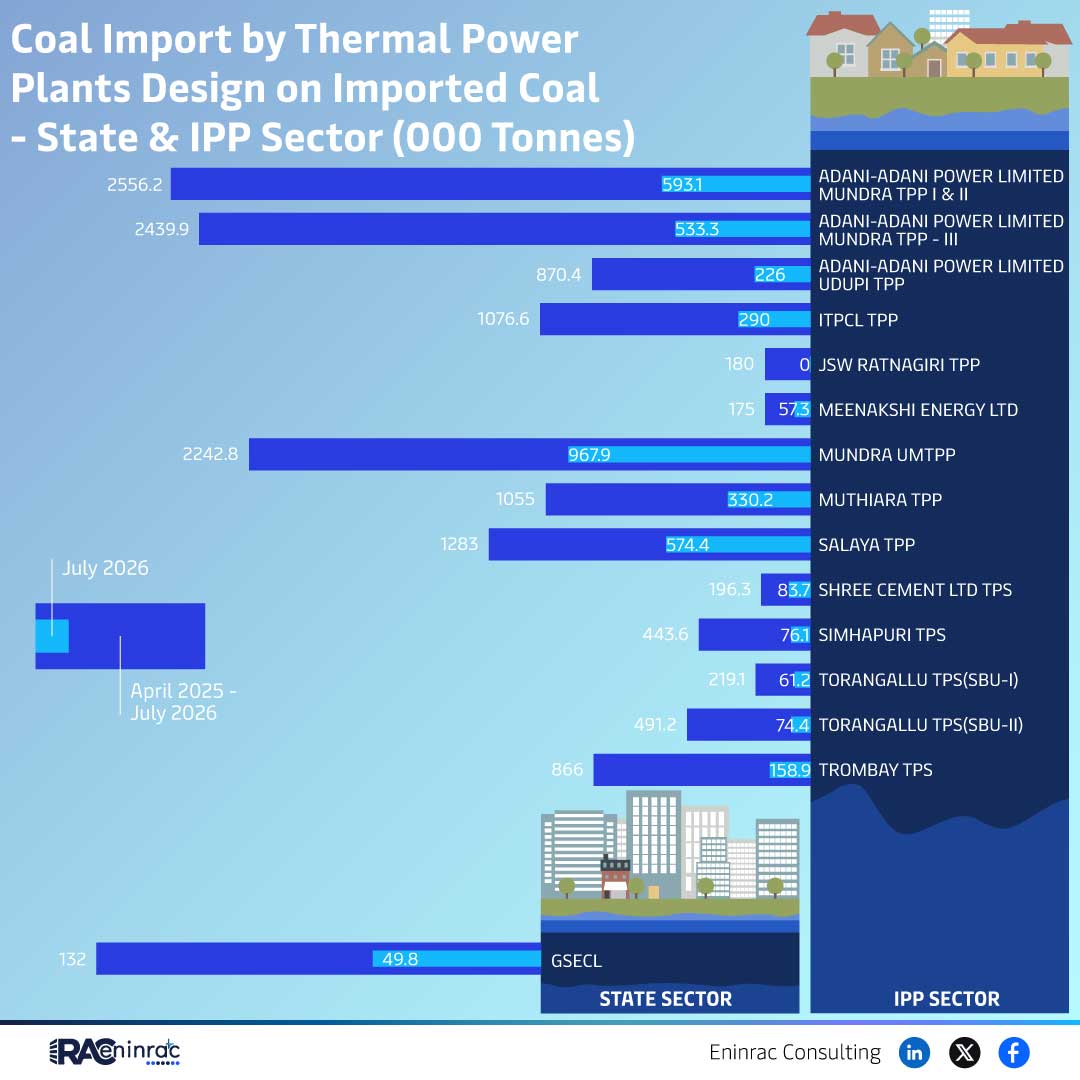
India’s conventional power landscape is dominated by large thermal power plants that supply the bulk of the nation’s electricity. The raw data list includes major facilities operated by Adani Power, Mundra, JSW, GSECL and several independent power producers. Understanding the capacity, geographic spread and ownership of these plants is essential for investors, policymakers and industry analysts who track the evolution of conventional energy in the country.
What Does the Data Reveal About This Topic?
The data shows that thermal power generation remains concentrated in a handful of large‑scale plants across strategic locations such as Mundra, Udupi, and JSW Ratnagiri. These facilities collectively represent a significant portion of India’s installed thermal capacity, highlighting the continued reliance on coal and gas‑fired generation despite the rise of renewable sources. The presence of both private and state‑run entities illustrates a mixed ownership model that influences investment decisions and regulatory priorities.
Geographic Distribution and Ownership Patterns
When the plant names are mapped to their states, a clear regional pattern emerges. Gujarat hosts the Mundra complex and several nearby units, while Karnataka features the JSW Ratnagiri and Udupi plants. Tamil Nadu contributes the Salaya and Shree Cement units, and Andhra Pradesh adds the Simhapuri and Torangallu sites. Ownership varies: Adani Power Limited runs the Mundra TPP series, JSW runs the Ratnagiri plant, and the state electricity board (GSECL) manages multiple smaller units. This distribution reflects historical industrial corridors and availability of coal logistics, water resources, and transmission infrastructure.
Impact on Sectors and Industries
Thermal power plants underpin critical sectors such as manufacturing, steel, cement, and chemicals by providing reliable baseload electricity. Their operation influences fuel supply chains, especially coal imports and domestic mining, affecting logistics, pricing and employment. For investors, the large capital outlay and long‑term power purchase agreements create stable revenue streams, yet regulatory risk related to emissions standards and carbon pricing remains. Policymakers must balance the need for energy security with climate commitments, making accurate data on plant capacity and location vital for transition planning.
Key Takeaways
- Thermal plants continue to dominate India’s baseload generation mix.
- Major private players such as Adani and JSW operate the largest facilities.
- Geographic clustering aligns with coal logistics and industrial demand hubs.
- State‑run entities like GSECL retain a significant portfolio of smaller plants.
- Investment in these assets offers stable returns but faces climate policy risk.
- Accurate plant data supports informed decisions for investors and regulators.
FAQs
Which company operates the largest thermal power plant in the list?
Adani Power Limited operates the Mundra Thermal Power Plant, the largest single unit among the listed facilities.
What fuel types are primarily used by these plants?
The majority rely on coal, while a few, such as the Udupi plant, use imported or domestic natural gas.
How does plant location affect electricity pricing?
Proximity to fuel sources and transmission networks can lower generation costs, influencing regional electricity tariffs.
Are there any renewable projects linked to these conventional plants?
Some operators are piloting joint solar‑thermal projects to offset emissions, but the core capacity remains fossil‑fuel based.
What regulatory trends could impact these thermal plants?
Stricter emissions standards, carbon pricing mechanisms and a push for renewable integration may affect future operations.