
Introduction
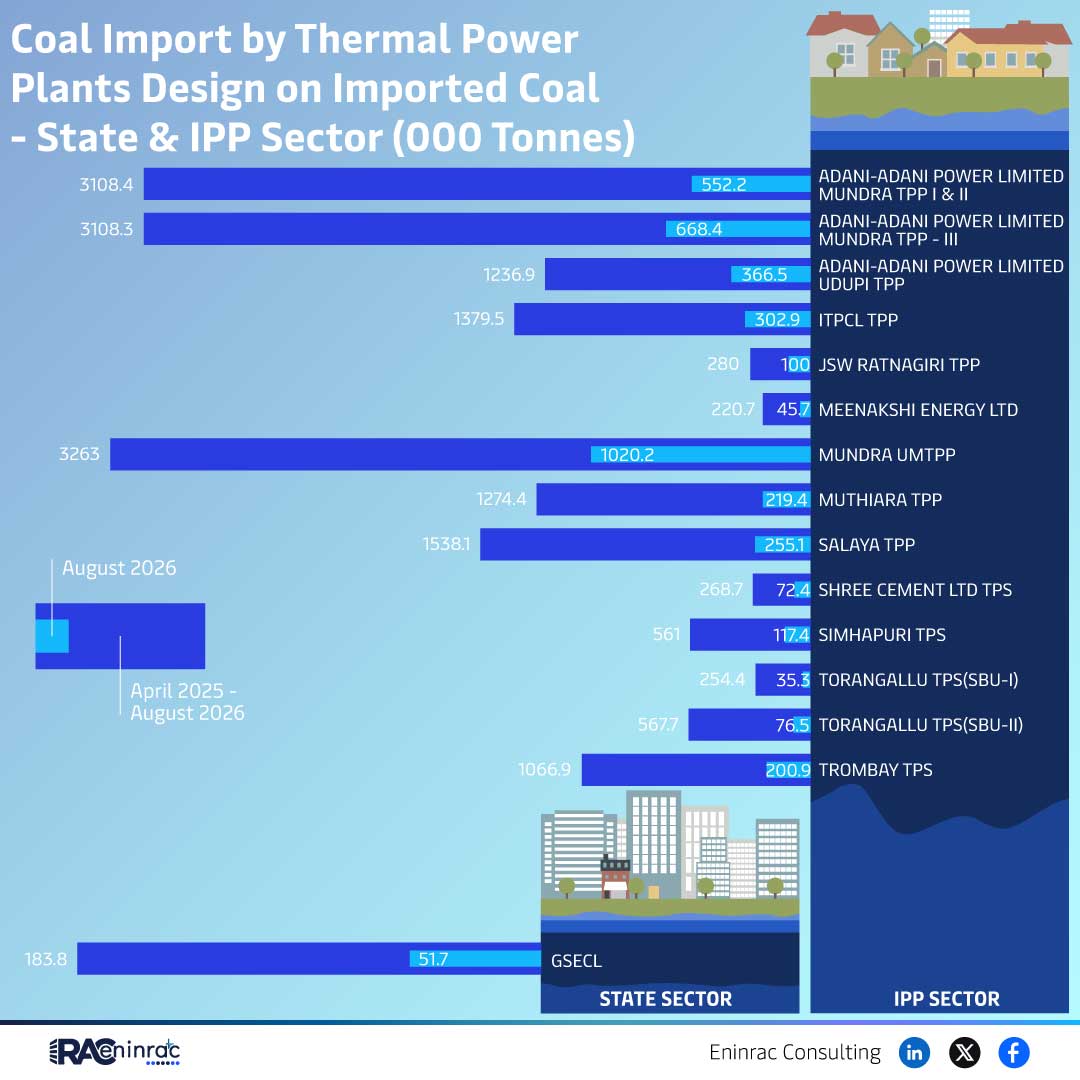
The Indian thermal power landscape is dominated by a mix of private and state‑owned plants that supply the bulk of the nation’s electricity. Recent data lists major facilities such as Adani Power Limited, Mundra TPP, Udupi TPP, JSW Ratnagiri TPP, and numerous state sector IPP stations. Understanding this portfolio is essential for investors, policymakers, and energy analysts who track conventional energy capacity, project development and market dynamics.
What Does the Data Reveal About This Topic?
Which plants and operators lead the conventional power segment in India? The list shows that large private developers like Adani and JSW operate multiple high‑capacity thermal stations, while state utilities such as GSECL and various regional electricity boards maintain a substantial share of older, smaller units. The data also highlights a concentration of projects in coastal states, reflecting fuel logistics and grid connectivity advantages.
Key Indian Thermal Power Plant Projects
Among the entries, Mundra TPP and its expansion Mundra TPP II represent the highest single‑unit capacity, driven by Adani’s aggressive expansion strategy. Udupi TPP and the ITPCL plant illustrate growth in the southern region, whereas JSW Ratnagiri TPP adds significant capacity in the western coastal belt. Smaller stations like Salaya TPP, Muthiara TPP and Simhapuri TPS demonstrate the continued relevance of distributed generation for local reliability. The presence of state sector IPP projects and consulting firms such as Eninrac Consulting indicates ongoing commissioning of new capacity and advisory support for regulatory compliance.
Impact on Sectors and Industries
Indian thermal power plants affect several layers of the economy. For the energy sector, they provide baseload generation that balances intermittent renewable output, ensuring grid stability. Investors monitor these assets for revenue generation, fuel price exposure and compliance with emissions standards. Policymakers use the plant inventory to shape fuel supply chains, carbon taxation and transition pathways toward cleaner energy mixes. Industries dependent on reliable electricity, such as manufacturing, mining and cement, benefit directly from the output of facilities like Shree Cement Ltd TPS and Meenakshi Energy Ltd.
Key Takeaways
- Adani Power leads in capacity with the Mundra TPP and its Phase II expansion.
- JSW Ratnagiri TPP adds strategic western coastal generation to the mix.
- State utilities and IPP projects continue to operate a significant share of smaller thermal stations.
- Geographic clustering shows a preference for coastal locations due to fuel logistics.
- The data underscores the ongoing importance of conventional energy in India’s power mix.
- Investment and policy decisions are increasingly linked to emissions regulations and renewable integration.
FAQs
What are the largest thermal power plants in India?
The Mundra TPP operated by Adani Power, followed by its Phase II expansion, are currently the largest single‑unit thermal facilities.
How does the presence of state‑sector IPP affect the market?
State‑sector IPP adds diversified ownership, stabilizes regional supply and often operates older units that complement private high‑capacity plants.
Why are many plants located near the coast?
Coastal locations reduce coal transport costs, provide easier access to imported fuel and support grid interconnections with major load centers.
What role do these plants play in India’s renewable transition?
They provide baseload power that balances renewable intermittency, while operators upgrade efficiencies to meet stricter emissions standards.
Are investors still interested in new thermal projects?
Yes, but interest is shifting toward cleaner‑coal technologies and projects with strong emissions mitigation strategies.