
Introduction
India’s cement sector remains a cornerstone of the nation’s economic development, supplying the essential material for infrastructure, housing, and commercial construction. Understanding cement production trends from fiscal year 2022 through fiscal year 2026 provides valuable insight into the health of the construction market, the pace of urbanisation, and the broader industrial landscape. This article examines the available data on India cement production, explains why these figures matter to investors, policymakers and industry leaders, and outlines the key takeaways you can apply to strategic decisions.
What Does the Data Reveal About This Topic?
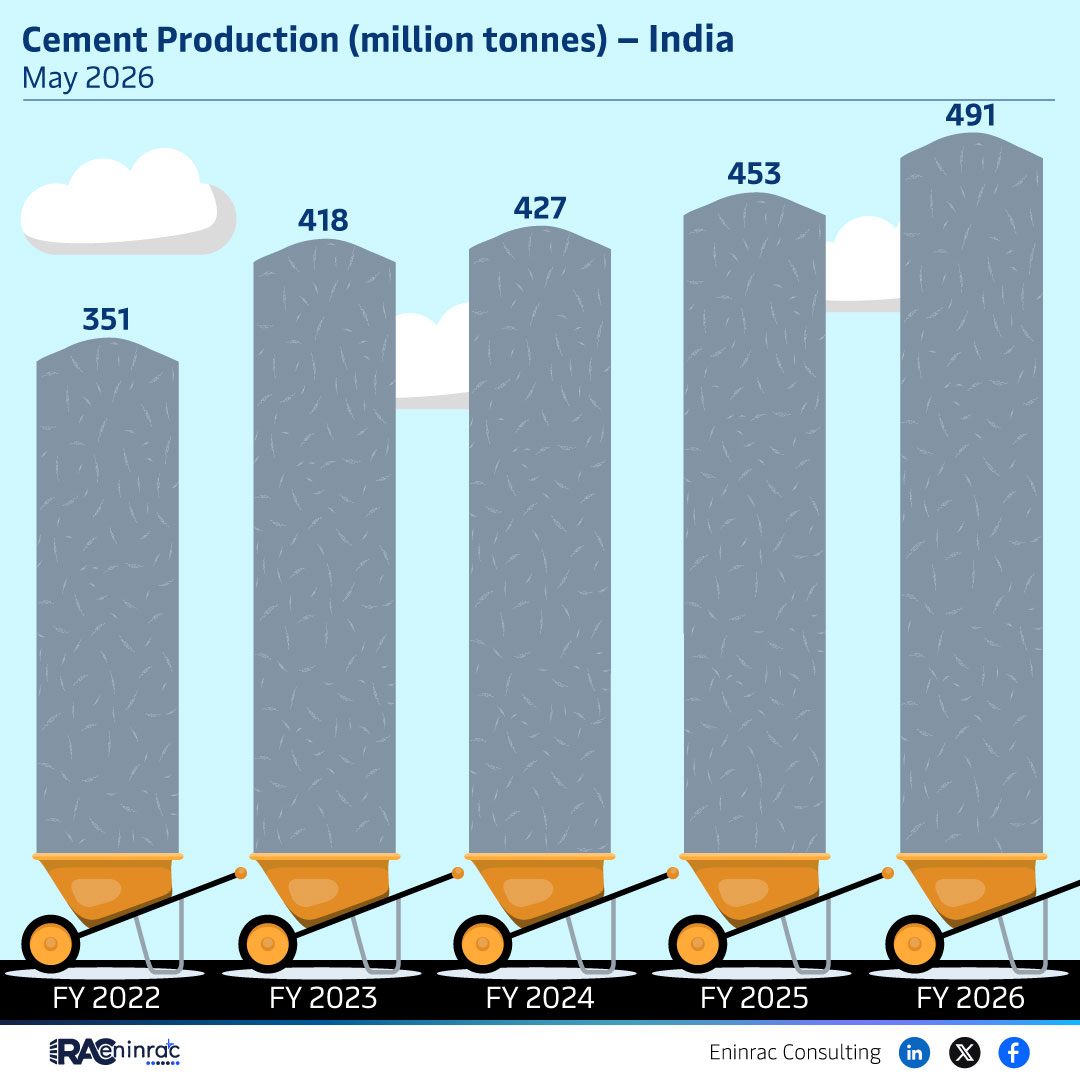
The data shows a progressive increase in cement output over the five‑year span, indicating steady growth in demand despite macro‑economic fluctuations. Each fiscal year reports higher million‑tonne volumes than the previous year, suggesting that the construction boom and government infrastructure initiatives are translating into tangible production gains. The upward trend also reflects improvements in capacity utilisation, technology adoption, and supply‑chain efficiencies within the Indian cement industry.
Year‑by‑Year Cement Production Growth in India
When comparing fiscal years 2022 to 2026, the incremental rise in production highlights several underlying dynamics. Early years demonstrate recovery from pandemic‑induced slowdowns, while later years capture the impact of large‑scale projects such as metro expansions, highway upgrades, and affordable housing schemes. Regional disparities emerge, with higher output growth observed in states that host major industrial corridors and port facilities. Moreover, the data suggests that leading cement manufacturers are expanding capacity, investing in greener kilns, and benefitting from favourable fiscal policies that encourage domestic manufacturing.
Impact on Sectors and Industries
The upward trajectory of cement production influences a broad array of sectors. Construction companies gain access to a more reliable supply, reducing project delays and cost overruns. Real‑estate developers can plan larger residential and commercial projects with confidence in material availability. Financial institutions see increased loan portfolios linked to infrastructure financing, while investors identify opportunities in cement manufacturers and ancillary services such as logistics and equipment supply. Policymakers can gauge the effectiveness of stimulus measures and adjust regulatory frameworks to support sustainable growth, including emissions standards for cement plants.
Key Takeaways
- India cement production shows consistent annual growth from FY2022 to FY2026.
- Recovery from pandemic impacts and strong government infrastructure spending drive the upward trend.
- Regional production hubs align with major industrial corridors and port locations.
- Capacity expansions and technology upgrades improve efficiency and environmental performance.
- Higher cement output supports construction, real‑estate, and financial sectors.
- Policymakers can leverage production data to fine‑tune stimulus and sustainability initiatives.
FAQs
What caused the increase in India’s cement production after FY2022?
The rise is mainly due to post‑pandemic recovery, government infrastructure projects, and capacity expansions by major cement companies.
Which Indian states lead in cement production growth?
States with large industrial corridors such as Gujarat, Maharashtra, Tamil Nadu, and Odisha have reported the most significant growth.
How does higher cement production affect construction costs?
Increased supply generally stabilises prices, reducing material cost volatility for construction projects.
Are Indian cement manufacturers adopting greener technologies?
Yes, many firms are investing in low‑emission kilns, alternative fuels, and energy‑efficient processes to meet stricter environmental standards.
What should investors watch for in the Indian cement sector?
Key indicators include capacity utilisation rates, government policy shifts, infrastructure spending plans, and the adoption of sustainable production methods.