
Introduction
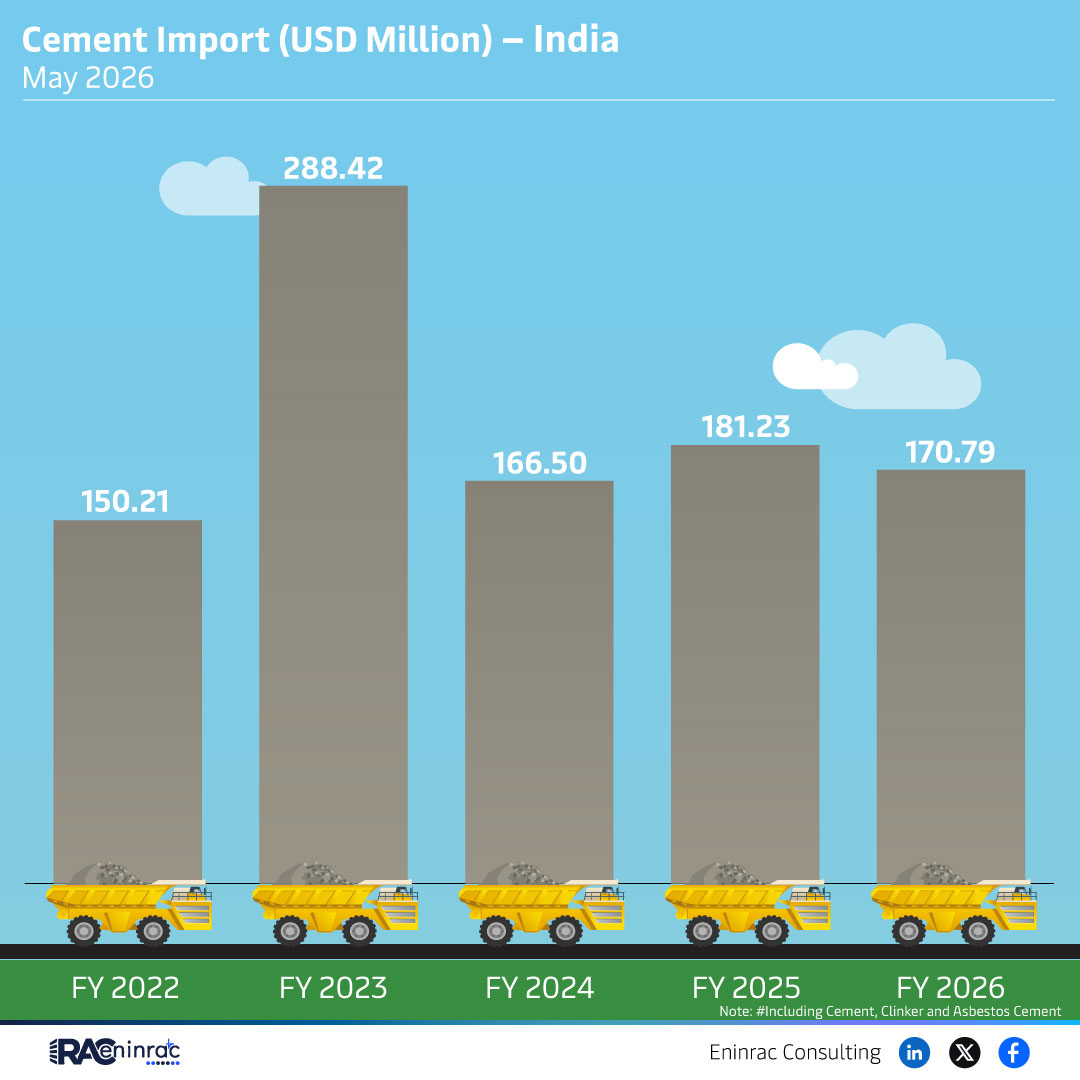
India’s cement import data from FY2022 through FY2026 shows a clear upward trajectory, moving from $150.21 million in FY2022 to a peak of $288.42 million in FY2026. This surge reflects a combination of strong domestic construction demand, policy adjustments, and shifting global supply dynamics. In this article we explore the yearly figures, interpret the trends, and assess the broader implications for industry stakeholders, investors, and policymakers.
What Does the Data Reveal About This Topic?
Why did India’s cement imports more than double over four fiscal years? The raw numbers indicate that imports grew steadily each year, with a modest dip in FY2024 followed by a sharp rise in FY2025 and a dramatic jump in FY2026. The increase suggests heightened reliance on external sources to meet construction material needs, likely driven by rapid urbanisation, infrastructure projects, and a re‑evaluation of tariff structures.
Year‑by‑Year Import Growth Analysis
Comparing the fiscal years, FY2022 recorded $150.21 million, FY2023 rose to $170.79 million, FY2024 slightly fell to $166.50 million, FY2025 climbed to $181.23 million, and FY2026 surged to $288.42 million. The notable spike in FY2026 can be attributed to relaxed import duties, increased activity in housing and road projects, and supply shortages from domestic manufacturers. The data highlights how policy shifts and market conditions directly influence import volumes.
Impact on Sectors and Industries
The rise in India cement imports affects multiple sectors. Construction firms benefit from a more stable supply, reducing project delays. Cement producers may face competitive pressure to improve efficiency and pricing. Financial investors monitor import trends as a proxy for infrastructure spending, influencing equity and bond valuations. Policymakers use these figures to calibrate tariff rates and support domestic capacity building, while logistics providers see increased freight activity.
Key Takeaways
- Imports grew from $150.21 million in FY2022 to $288.42 million in FY2026.
- FY2024 saw a small decline before a strong rebound.
- Policy easing in FY2026 played a major role in the surge.
- Higher imports signal robust construction sector momentum.
- Domestic producers may need to enhance efficiency to stay competitive.
- Investors view cement import trends as an indicator of infrastructure health.
FAQs
What caused the sharp increase in cement imports in FY2026?
Reduced import duties, increased infrastructure projects, and limited domestic output combined to boost FY2026 import volumes.
How do import trends affect Indian cement manufacturers?
Higher imports increase competition, urging local producers to improve productivity, adopt new technologies, and manage costs.
Is the rise in imports a temporary or long‑term pattern?
While FY2026 shows a peak, future trends will depend on policy decisions, domestic capacity expansion, and ongoing construction demand.
Which regions in India drive the highest cement demand?
Urban centres, western and southern states, and regions with major highway and housing projects contribute most to cement consumption.
How can investors use this import data?
Investors can gauge construction sector health, assess risk for cement producers, and align portfolios with infrastructure‑linked opportunities.