
Introduction
The Indian cement industry is a cornerstone of the nation’s infrastructure growth, providing essential material for roads, housing, and commercial projects. Major players such as UltraTech Cement, Shree Cement, Dalmia Bharat and Ambuja Cements dominate the market, each contributing to capacity expansion, technological upgrades, and sustainability initiatives. Understanding the competitive dynamics among these firms helps investors, policymakers, and industry observers gauge future demand, assess risk, and spot opportunities for strategic partnerships or capital allocation.
What Does the Data Reveal About This Topic?
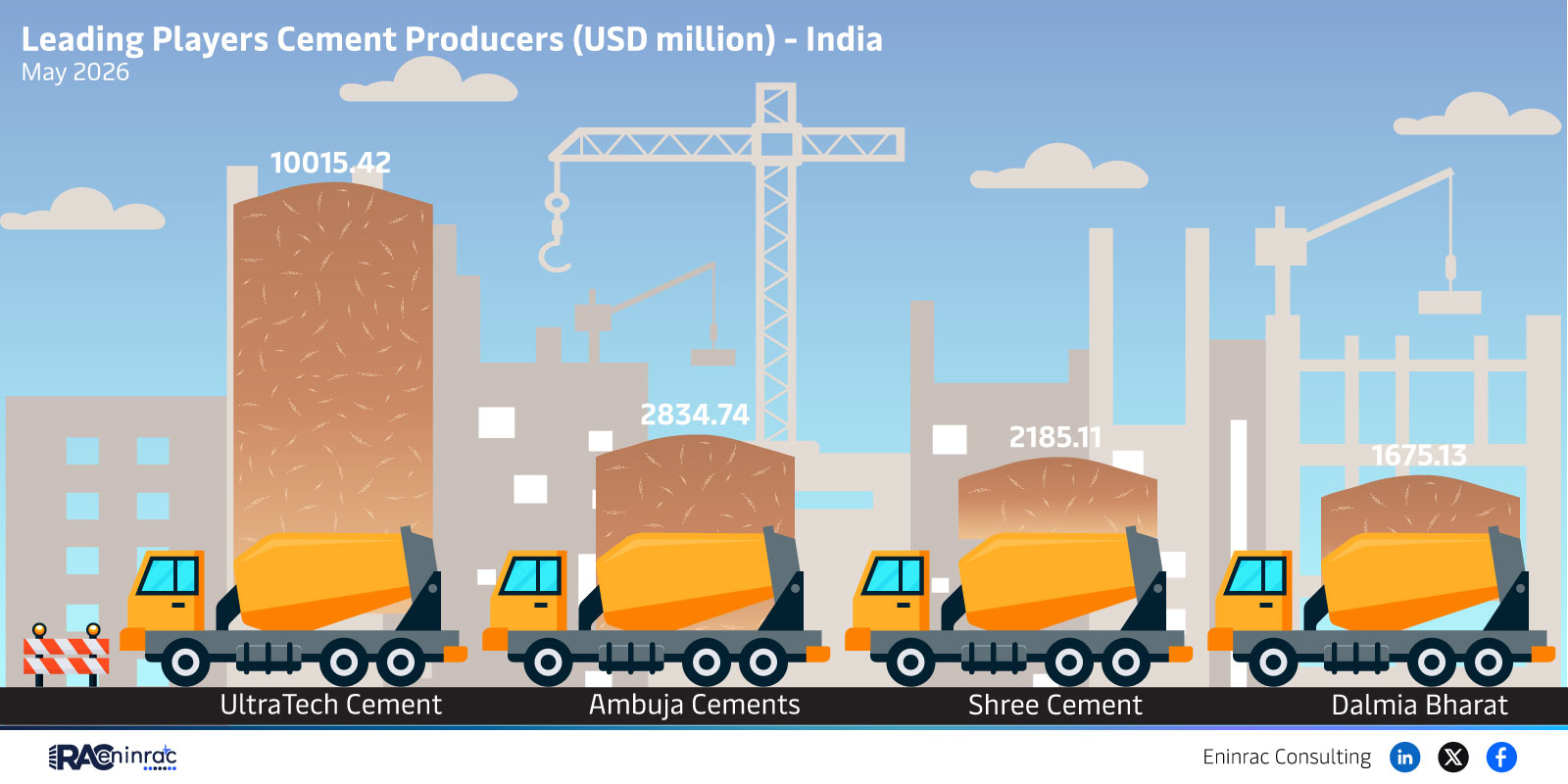
When we examine the list of leading cement manufacturers, a clear question emerges: which companies are driving the strongest growth and market share in the Indian cement industry today? The data highlights four firms that consistently rank at the top in production volume, revenue, and geographic reach, indicating a concentrated market where scale and operational efficiency provide decisive advantages.
Comparative Analysis of Leading Indian Cement Companies
UltraTech Cement leads in overall production capacity, leveraging its extensive plant network across the country and a focus on high‑quality blended cements. Shree Cement excels in cost efficiency and has expanded its footprint in northern and eastern regions, achieving robust profit margins. Dalmia Bharat, part of the Dalmia Group, emphasizes vertical integration and aggressive capacity additions, particularly in the south and central zones. Ambuja Cements, a subsidiary of LafargeHolcim, benefits from its strong brand reputation and strategic access to ports, enabling efficient export and domestic distribution. Together, these companies illustrate a pattern of diversification—some prioritize geographic reach, others concentrate on operational cost control, while a few invest heavily in sustainability and low‑carbon technologies.
Impact on Sectors and Industries
The performance of these cement giants reverberates across multiple sectors. Construction firms rely on stable cement supply and pricing to plan large‑scale projects, while real‑estate developers monitor cement company earnings as a leading indicator of market health. Financial institutions assess the creditworthiness of these manufacturers when structuring loans for plant expansions or green initiatives. Policymakers reference cement output data to calibrate infrastructure spending, environmental regulations, and regional development programs. Furthermore, the push toward eco‑friendly cements spurs innovation in alternative fuels, waste‑derived clinker, and carbon capture, influencing the broader energy and waste management landscapes.
Key Takeaways
- UltraTech Cement holds the largest production capacity and leads in blended cement innovation.
- Shree Cement’s cost‑focused strategy delivers strong margins and rapid regional expansion.
- Dalmia Bharat’s vertical integration supports aggressive capacity growth and diversification.
- Ambuja Cements leverages brand strength and port access for efficient distribution.
- The Indian cement industry’s concentration among four firms creates competitive pressure on pricing and sustainability.
- Investment prospects are tied to capacity additions, green technology adoption, and infrastructure policy trends.
FAQs
Which cement company has the highest market share in India?
UltraTech Cement currently commands the largest market share, driven by its extensive plant network and focus on high‑value blended products.
How does Shree Cement maintain its profitability?
Shree Cement emphasizes low production costs, strategic location of plants, and efficient logistics, which together boost its profit margins.
What sustainability initiatives are Indian cement firms pursuing?
Major players are adopting alternative fuels, investing in clinker substitution, and exploring carbon capture to reduce CO₂ emissions.
Why is capacity expansion important for Dalmia Bharat?
Increasing capacity allows Dalmia Bharat to meet rising demand, achieve economies of scale, and strengthen its position in emerging regional markets.
How does the cement sector affect the Indian economy?
The cement sector underpins construction activity, influences employment, drives demand for raw materials, and serves as a barometer for overall economic growth.