
Introduction
India's renewable energy landscape continues to evolve rapidly, and the latest generation figures for May 2026 provide a clear snapshot of this progress. The data covers solar, wind, large hydro, small hydro, and bagasse & biomass sources, offering insight into how each segment contributes to the national power mix. Understanding these numbers helps investors, policymakers, and the public gauge the effectiveness of renewable initiatives and plan for future growth.
What Does the Data Reveal About This Topic?
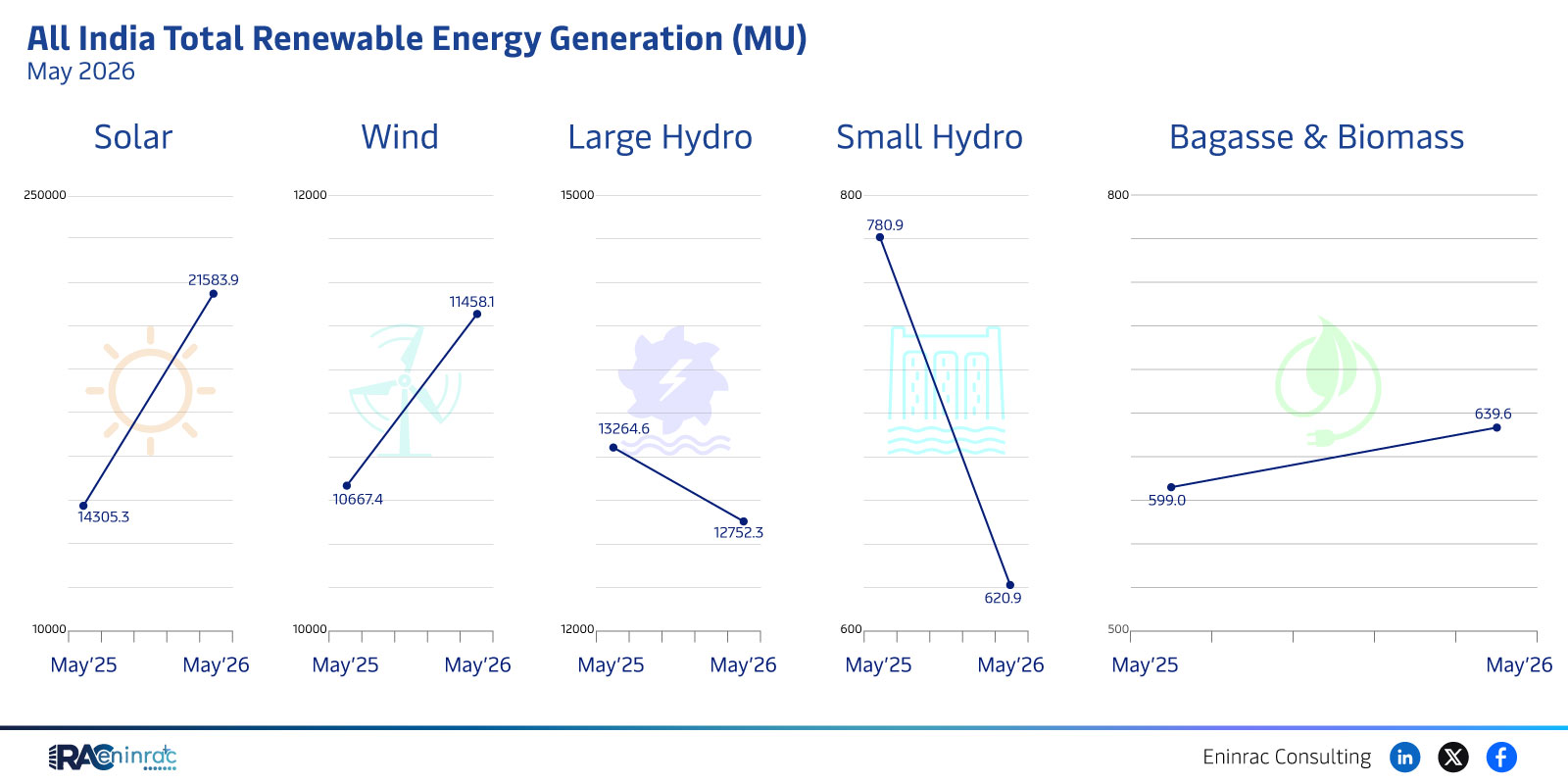
The raw figures show that solar power dominates with a generation of 250,000 MU, while wind contributes 12,000 MU. Large hydro adds 15,000 MU, and both small hydro and bagasse & biomass register 800 MU each. These numbers answer the core question: which renewable sources are leading India's electricity generation in May 2026, and how balanced the overall mix is.
Sector‑wise Generation Comparison
Comparing the five renewable categories highlights a stark contrast between solar and the other sources. Solar output is more than twenty times higher than wind and dramatically surpasses hydro and biomass contributions. Large hydro, though smaller than solar, still outperforms wind and small hydro combined, indicating the continued relevance of hydro infrastructure. The modest figures for small hydro and bagasse & biomass suggest niche roles, often tied to regional or industrial applications rather than national scale.
Impact on Sectors and Industries
The dominance of solar generation influences multiple sectors. Utility companies are investing heavily in solar farm development, and equipment manufacturers see rising demand for photovoltaic panels and inverters. Wind developers must address the gap by enhancing site selection and technology upgrades. The hydro sector benefits from stable, dispatchable power, supporting grid reliability and complementing intermittent solar. Biomass and small hydro remain important for rural electrification and waste‑to‑energy projects, offering diversification for investors seeking sustainable returns.
Key Takeaways
- Solar power accounts for the overwhelming majority of renewable generation in May 2026.
- Wind generation remains modest, highlighting opportunities for capacity expansion.
- Large hydro continues to provide a significant, stable contribution to the grid.
- Small hydro and bagasse & biomass each generate only 800 MU, indicating niche market status.
- The data underscores a skewed renewable mix, with solar driving most growth.
- Policymakers may need targeted incentives to boost wind, small hydro, and biomass output.
FAQs
Why is solar generation so high in India?
Favorable sunlight, declining panel costs, and strong government incentives have accelerated solar deployment.
What challenges does wind energy face?
Limited high‑wind sites, grid integration issues, and financing constraints hinder rapid expansion.
How does large hydro support the grid?
Large hydro provides reliable, dispatchable power that balances intermittent renewable sources.
Can small hydro and biomass grow in the future?
Yes, with targeted policies and investment in technology to improve efficiency and site suitability.
What should investors watch for in India’s renewable sector?
Solar growth trends, upcoming wind projects, policy changes, and opportunities in emerging hydro and biomass markets.