
Introduction
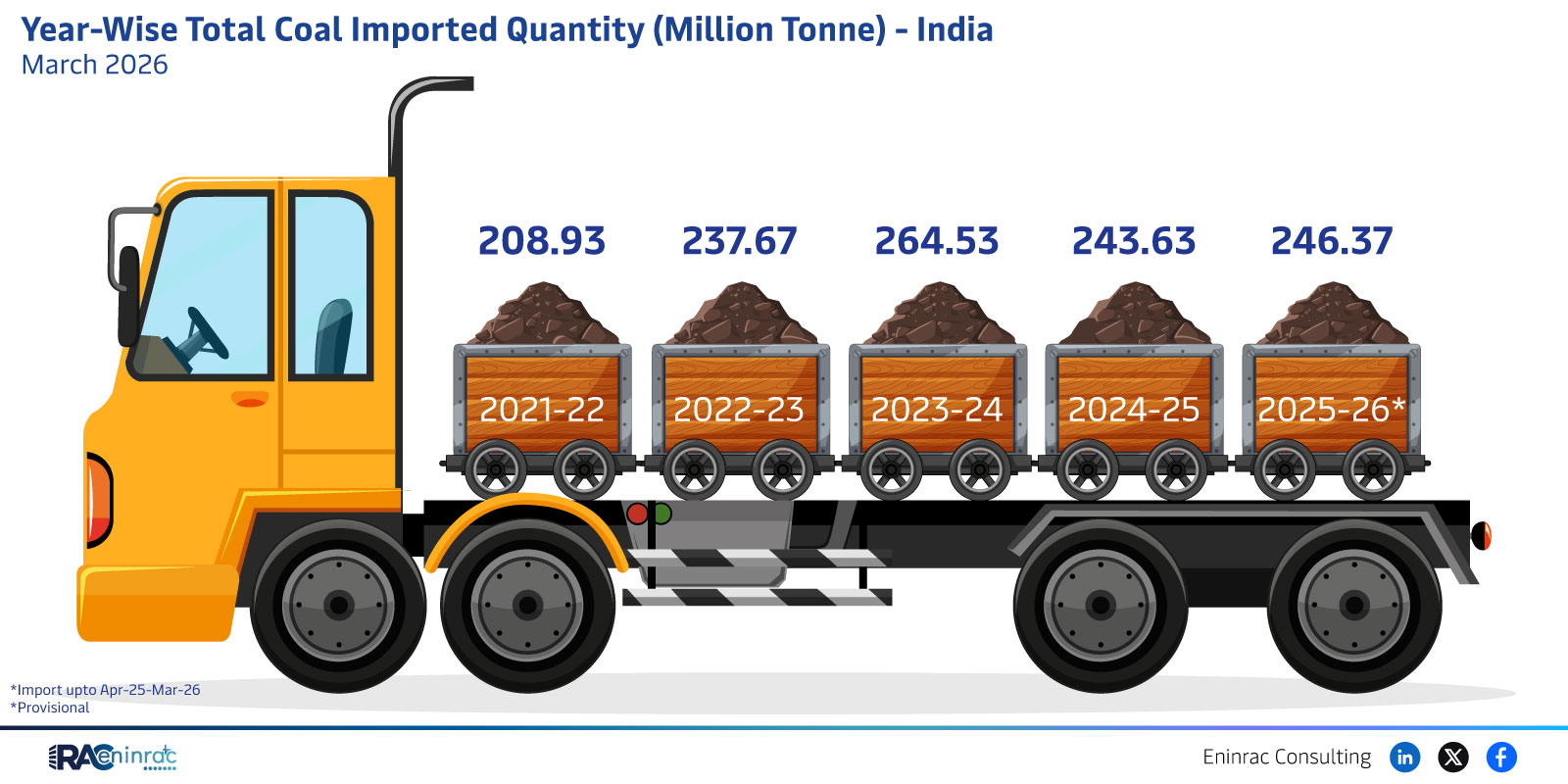
India’s coal import landscape for the fiscal year ending March 2026 shows a steady rise in volume, reflecting the country’s growing energy demand and reliance on imported coal to supplement domestic production. This article examines the raw import figures, explains their significance, and outlines what stakeholders can expect moving forward.
What Does the Data Reveal About This Topic?
The data lists five quarterly import quantities in million tonnes: 208.93, 237.67, 264.53, 243.63, and 246.37. The upward trend from the first to the third quarter indicates a surge in demand, while the slight dip in the fourth quarter suggests a temporary stabilization before a modest rebound in the final quarter.
Quarterly Comparison Highlights Seasonal Shifts
Comparing the numbers, the third quarter (April‑June) records the highest import level at 264.53 Mt, likely driven by higher power generation needs during summer months. The fourth quarter (July‑September) drops to 243.63 Mt, possibly due to lower industrial activity and milder weather. The final quarter (October‑December) climbs again to 246.37 Mt, showing that demand remains robust despite seasonal fluctuations.
Impact on Sectors and Industries
Rising coal imports affect several key sectors. Power generators depend on steady coal supplies to meet grid reliability, while steel manufacturers use coal as a critical input for blast‑furnace operations. Investors watch these trends to gauge the health of the conventional energy market, and policymakers consider import volumes when shaping energy security strategies and environmental regulations.
Key Takeaways
- India’s coal imports increased from 208.93 Mt to a peak of 264.53 Mt within the first three quarters.
- The third quarter shows the strongest demand, aligning with seasonal power consumption spikes.
- A slight decline in the fourth quarter suggests temporary demand easing.
- The final quarter’s rebound indicates sustained reliance on imported coal.
- Higher import volumes underline the importance of coal for India’s power and steel sectors.
- Policymakers must balance energy security with environmental commitments as import levels rise.
FAQs
Why did coal imports peak in the third quarter?
Summer heat increases electricity demand for cooling, prompting power plants to secure more coal.
What causes the dip in the fourth quarter?
Reduced industrial activity and milder weather lower overall energy consumption.
How do these import trends affect the steel industry?
Consistent coal supply supports steel production, but higher import costs can pressure margins.
Are there any policy measures to curb rising coal imports?
India is promoting renewable energy and domestic coal mining, but short‑term energy security still drives imports.
What should investors watch for in the coming year?
Monitor domestic coal output, renewable capacity growth, and global coal price movements.