
Introduction
The renewable energy landscape in India is evolving rapidly, and the latest 2026 generation statistics reveal which states lead the transition. Understanding where capacity is concentrated helps investors, policymakers, and industry players make informed decisions. This article breaks down the top five states by source‑wise renewable power generation, compares regional contributions, and highlights the implications for the broader energy market.
What Does the Data Reveal About This Topic?
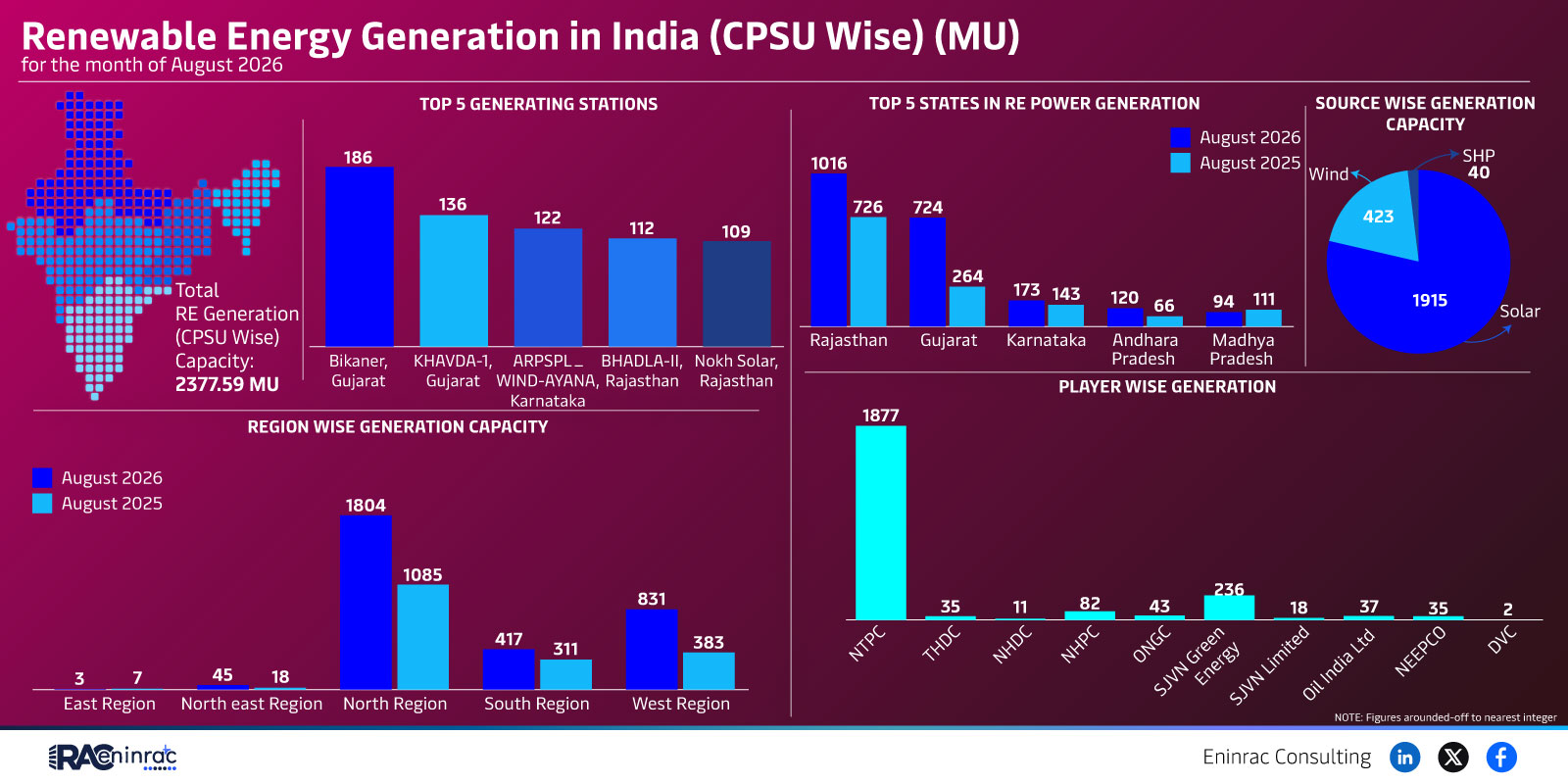
Which Indian states generate the most renewable energy and how does their source mix differ? The data shows that Rajasthan, Gujarat, Karnataka, Andhra Pradesh, and Madhya Pradesh together account for the majority of the nation’s renewable generation in 2026, with Rajasthan holding the highest overall capacity. The source‑wise breakdown indicates a strong dominance of solar installations in Rajasthan and Gujarat, while Karnataka leads in wind power.
State‑wise Renewable Energy Capacity Overview
Rajasthan tops the list with approximately 1,016 MW of renewable capacity, driven largely by large‑scale solar farms such as Bikaner and the KHAVDA‑1 project. Gujarat follows with around 136 MW, a mix of solar and wind projects including the WIND‑AVANA complex. Karnataka contributes about 122 MW, emphasizing wind power alongside emerging solar sites. Andhra Pradesh registers roughly 109 MW, while Madhya Pradesh adds close to 120 MW, both reflecting diversified solar and bio‑energy portfolios. These figures illustrate a clear north‑west concentration of renewable assets, with each state leveraging its geographic and climatic advantages.
Regional Generation Patterns Across India
When the capacity is aggregated by region, the West region leads with 35 MW, closely followed by the East with 37 MW. The North region supplies the largest share at 45 MW, underscoring the impact of Rajasthan and surrounding states. The Northeast contributes 18 MW, while the South adds a modest 2 MW, indicating growth opportunities in the southern states. These regional totals highlight how state‑level performance aggregates into national trends and pinpoint areas where further development is needed.
Impact on Sectors and Industries
Renewable energy generation influences multiple sectors. For investors, the concentration of capacity in high‑growth states signals where capital allocation can yield optimal returns. Policymakers can use the regional breakdown to design targeted subsidies and grid‑strengthening initiatives. Equipment manufacturers benefit from the demand for solar panels and wind turbines clustered in the top states. Moreover, the data encourages utilities to accelerate integration of renewable sources, reducing reliance on conventional coal‑based power and supporting India’s climate commitments.
Key Takeaways
- Rajasthan leads India’s renewable generation with over 1,000 MW, primarily from solar projects.
- Gujarat and Karnataka secure the second and third positions, showcasing a mix of solar and wind assets.
- The West and East regions together contribute more than 70 MW, highlighting the north‑west corridor as a renewable hub.
- Southern India lags behind, offering significant untapped potential for future solar and wind development.
- Regional disparities guide policymakers in allocating infrastructure funds and incentives.
- Investors can target the top five states for high‑margin renewable projects and related supply‑chain opportunities.
FAQs
Which state has the highest renewable energy capacity in 2026?
Rajasthan, with roughly 1,016 MW of combined solar and wind capacity, tops the list.
What are the main renewable sources for Gujarat?
Gujarat’s capacity is split between solar farms and wind projects, notably the WIND‑AVANA complex.
Why does the South region have low renewable generation?
Limited large‑scale projects and lower solar irradiance compared with the north‑west have kept the South’s capacity modest.
How can investors use this state‑wise data?
By focusing on high‑capacity states like Rajasthan and Gujarat, investors can prioritize projects with established grid connectivity and policy support.
What policy actions could boost renewable generation in the Northeast?
Targeted subsidies, improved transmission infrastructure, and streamlined land acquisition can accelerate project development in the Northeast.