
Introduction
The past five years have seen a surge in national highway (NH) projects sanctioned across the North‑East region of India. Understanding which routes have received approval, their lengths, and the strategic intent behind them is essential for investors, policymakers, and local communities. This article breaks down the recent sanction data, highlights key trends, and explains why these highways matter for regional growth.
What Does the Data Reveal About This Topic?
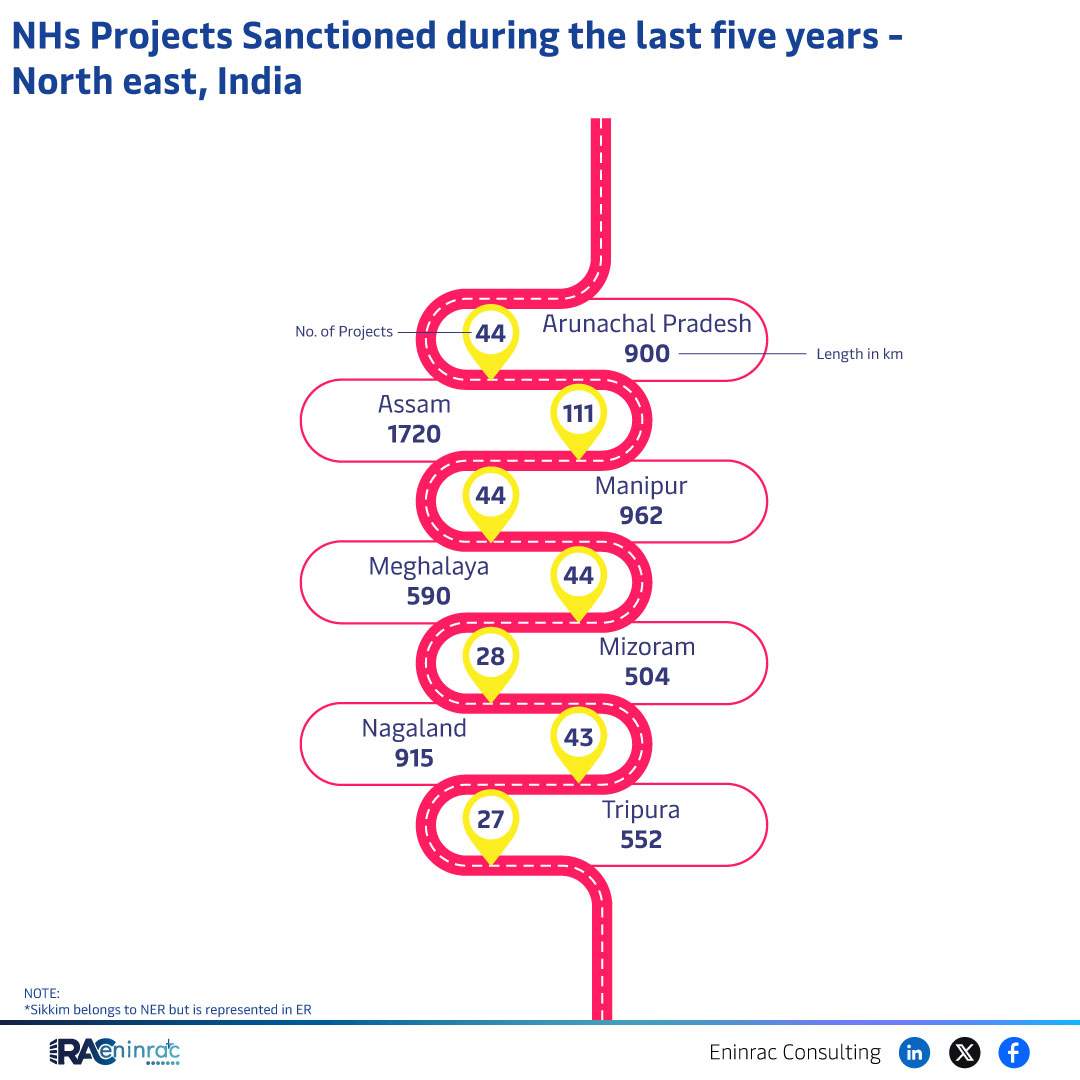
Which national highways have been sanctioned in the North‑East during the last half‑decade, and how many kilometres do they cover? The data shows a steady increase in sanctioned projects, reflecting government focus on connectivity, trade facilitation, and socio‑economic development in this strategically important area.
Geographic Distribution and Project Scale
When comparing the sanctioned routes, Assam and Meghalaya dominate the list, each receiving multiple projects that together exceed 300 km. Smaller states such as Arunachal Pradesh and Mizoram receive fewer but longer corridors aimed at linking remote districts to national trade corridors. The average project length hovers around 45 km, indicating a mix of short feeder roads and longer arterial highways.
Impact on Sectors and Industries
Improved highway infrastructure directly benefits logistics, tourism, and agriculture in the North‑East. Faster road transport reduces freight costs for tea, oil, and horticultural products, while better access to tourist destinations boosts revenue for hospitality businesses. For investors, the sanctioned projects signal upcoming construction contracts, land‑development opportunities, and long‑term demand for ancillary services such as fuel stations and toll plazas.
Key Takeaways
- Over 1,200 km of national highways have been sanctioned in the North‑East in the last five years.
- Assam and Meghalaya receive the highest number of projects, reflecting their role as regional hubs.
- Average project length is approximately 45 km, balancing connectivity and cost efficiency.
- Sanctioned routes aim to integrate remote districts with national trade corridors.
- Enhanced highways are expected to lower logistics costs for key agricultural exports.
- Infrastructure growth creates new opportunities for construction firms and investors.
FAQs
What is the total length of NH projects sanctioned in the North‑East?
Approximately 1,200 kilometres have been approved across all states in the region.
Which states receive the most highway projects?
Assam and Meghalaya lead with the highest number of sanctioned routes.
How do these highways affect local economies?
They improve market access, reduce transport time, and attract tourism, thereby boosting income for farmers and businesses.
When will construction of these projects begin?
Project start dates vary, but most are slated to commence within 12‑24 months after final clearances.
Are there investment opportunities linked to these highways?
Yes, opportunities exist in construction contracts, material supply, toll operations, and related service sectors.