
Introduction
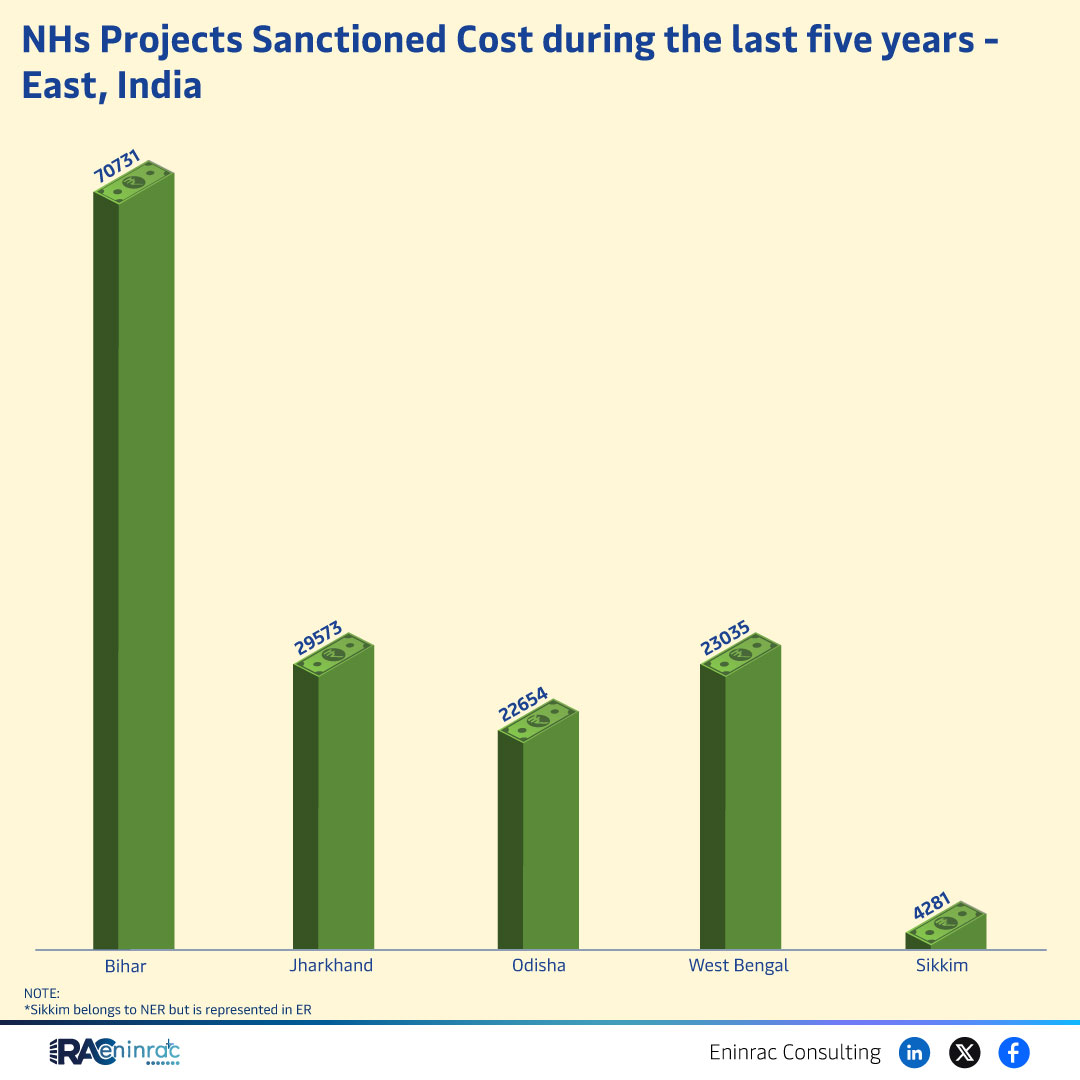
The National Highways (NH) projects in the eastern region of India have seen substantial sanctioned costs over the past five years. Understanding the distribution of these investments across Bihar, Jharkhand, Odisha, West Bengal and Sikkim provides insight into regional development priorities, infrastructure growth and economic impact. This article examines the sanctioned cost data, highlights key trends, and explains why these figures matter to investors, policymakers and the public.
What Does the Data Reveal About This Topic?
Which states have attracted the highest sanctioned NH project costs in the last five years? The data shows that West Bengal and Odisha lead the region with the largest cumulative allocations, while Bihar and Jharkhand receive moderate funding. Sikkim, although part of the North‑East Region, is represented here with a smaller share, reflecting its unique geographic and strategic position.
Statewise Comparison of Sanctioned Costs
When comparing the five states, West Bengal consistently tops the list, driven by multiple corridor upgrades and new highway alignments. Odisha follows closely, benefiting from coastal connectivity projects that support trade and tourism. Bihar’s growth is notable but lags behind due to slower project approvals. Jharkhand’s sanctioned costs are modest, reflecting a focus on selective mining‑linked routes. Sikkim’s contribution, while limited in absolute terms, is significant for its mountainous terrain and cross‑border trade potential.
Impact on Sectors and Industries
Increased NH funding influences several sectors. Construction and engineering firms gain contracts, boosting employment and local economies. Improved road networks lower logistics costs for agriculture, manufacturing and mineral extraction, enhancing competitiveness. Investors see reduced risk in regions with robust infrastructure, encouraging further capital inflow. Policymakers can leverage these developments to promote balanced regional growth and address connectivity gaps.
Key Takeaways
- West Bengal and Odisha receive the highest sanctioned NH costs in eastern India.
- Bihar shows steady growth but remains behind the leading states.
- Jharkhand’s modest funding reflects a targeted approach to key corridors.
- Sikkim’s small share underscores its strategic but challenging terrain.
- Infrastructure investment drives construction, logistics and investment activity.
- Enhanced highways improve market access for agriculture, industry and tourism.
FAQs
Which eastern state has the largest NH sanctioned cost?
West Bengal leads with the highest cumulative sanctioned cost over the past five years.
How does NH investment affect local economies?
It creates construction jobs, reduces transport costs, and attracts private investment, boosting overall economic activity.
Why is Sikkim’s share of NH funding relatively low?
Its mountainous geography and lower traffic volumes result in fewer large‑scale highway projects.
What sectors benefit most from improved highways?
Agriculture, manufacturing, mining and tourism see the greatest gains from better road connectivity.
How can investors use this data?
Investors can identify high‑growth regions, assess project pipelines and align their portfolios with infrastructure‑driven opportunities.