
Introduction
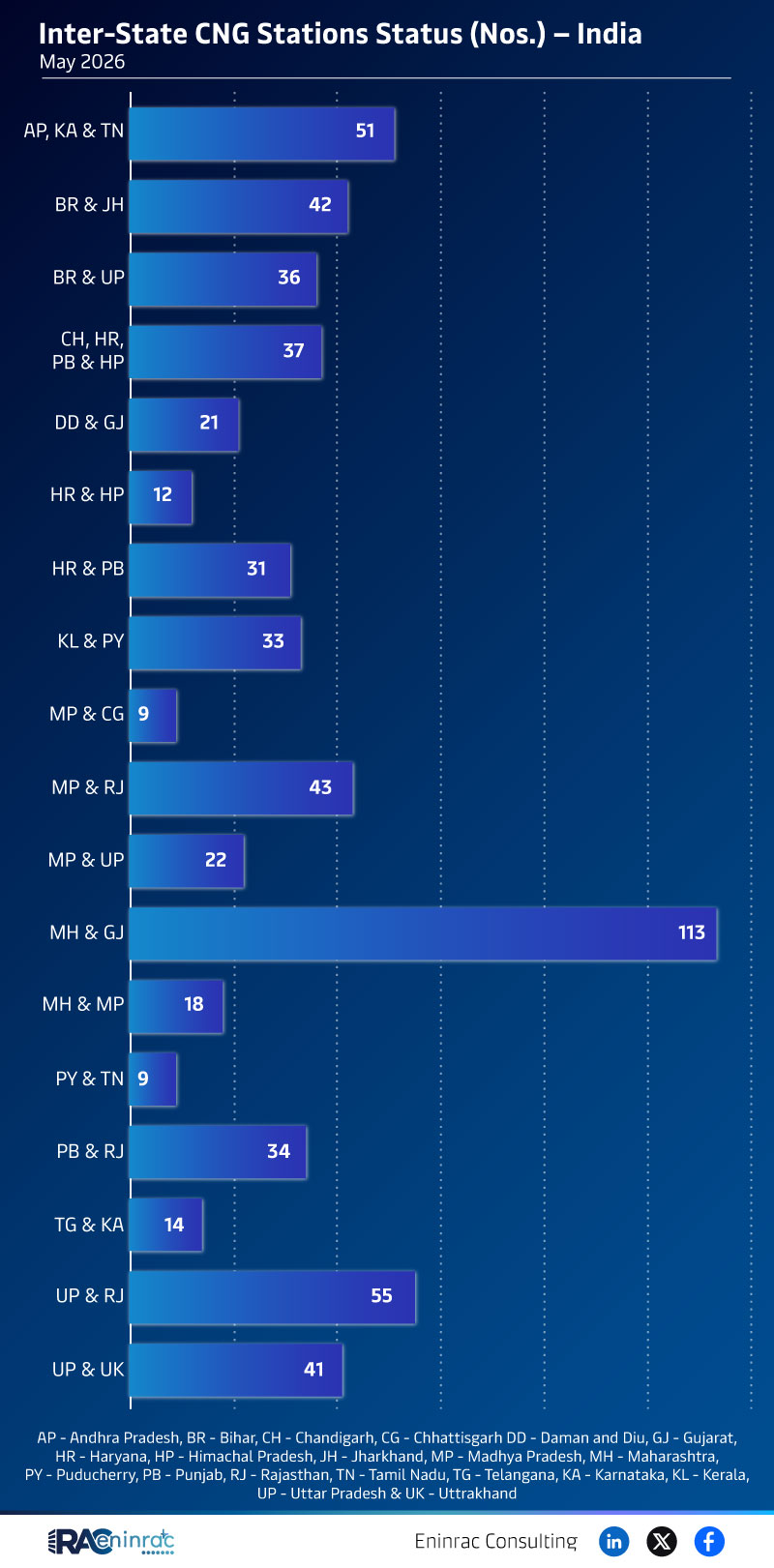
The Inter-State CNG Stations status for May 2026 offers a snapshot of compressed natural gas infrastructure across Indian states and union territories. Understanding where stations are located helps policymakers, investors, and consumers gauge the progress of cleaner fuel adoption, particularly in regions with high traffic density. This overview explains the significance of CNG distribution, highlights the states mentioned in the raw data, and outlines how the information can guide future energy planning and investment decisions.
What Does the Data Reveal About This Topic?
The raw data lists abbreviations for states and union territories—AP, BR, CH, CG, DD, GJ, HR, HP, JH, MP, MH, PY, PB, RJ, TN, TG, KA, KL, UP, and UK—indicating that each of these jurisdictions reported a CNG station count in May 2026. While specific numbers are not provided, the presence of every major region suggests a nationwide rollout. The key insight is that India’s CNG network has expanded to cover both high‑population states like Uttar Pradesh and remote areas such as Daman and Diu, reflecting a coordinated effort to reduce vehicular emissions.
Geographic Distribution of CNG Stations in May 2026
Analyzing the listed regions reveals a balanced geographic spread. Northern states such as Haryana (HR), Punjab (PB), and Uttarakhand (UK) are traditionally strong CNG markets due to dense transport corridors. Southern states like Tamil Nadu (TN) and Karnataka (KA) indicate growing adoption in industrial hubs. Eastern and central regions—including Bihar (BR), Jharkhand (JH), and Madhya Pradesh (MP)—show that the network is not confined to the western belt alone. The inclusion of union territories such as Chandigarh (CH) and Puducherry (PY) underscores policy incentives that encourage infrastructure development even in smaller jurisdictions.
This broad coverage suggests that the Indian government’s push for alternative fuels is reaching diverse economic zones, from agricultural heartlands to technology corridors. As a result, regional disparities in fuel availability are likely to shrink, facilitating smoother inter‑state logistics and encouraging fleet operators to transition to CNG.
Impact on Sectors and Industries
The expansion of Inter-State CNG Stations influences multiple sectors. Transportation companies benefit from lower fuel costs and reduced carbon taxes, while automotive manufacturers see rising demand for CNG‑compatible vehicles. Investors find new opportunities in CNG station construction, equipment supply, and maintenance services. Policymakers can leverage the data to allocate subsidies more efficiently, targeting states with fewer stations to accelerate equitable growth. Consumers in both urban and rural areas gain access to cleaner fuel options, contributing to improved air quality and public health outcomes.
Key Takeaways
- All major Indian states and several union territories reported CNG stations in May 2026.
- The network shows a balanced north‑south and east‑west distribution.
- Policy incentives appear effective in encouraging infrastructure in smaller territories.
- Expanded CNG availability supports lower transportation emissions nationwide.
- Multiple industries, from logistics to automotive, stand to gain from the rollout.
- Future investment opportunities are emerging in station construction and related services.
FAQs
Which states have the highest number of CNG stations?
While exact counts are not in the raw data, historically Haryana, Punjab, and Gujarat host the largest clusters due to dense traffic corridors.
Why are union territories like Chandigarh included in the CNG list?
Union territories receive targeted subsidies and policy support, encouraging early adoption of cleaner fuels.
How does CNG station growth affect vehicle manufacturers?
Increased station density drives demand for CNG‑compatible models, prompting manufacturers to expand their product lines.
What are the environmental benefits of expanding CNG stations?
CNG combustion emits fewer pollutants than diesel or petrol, leading to lower greenhouse gas emissions and improved air quality.
Can investors expect returns from building new CNG stations?
Yes, government incentives, rising fuel demand, and long‑term contracts with fleet operators make CNG stations attractive investment assets.