
Introduction
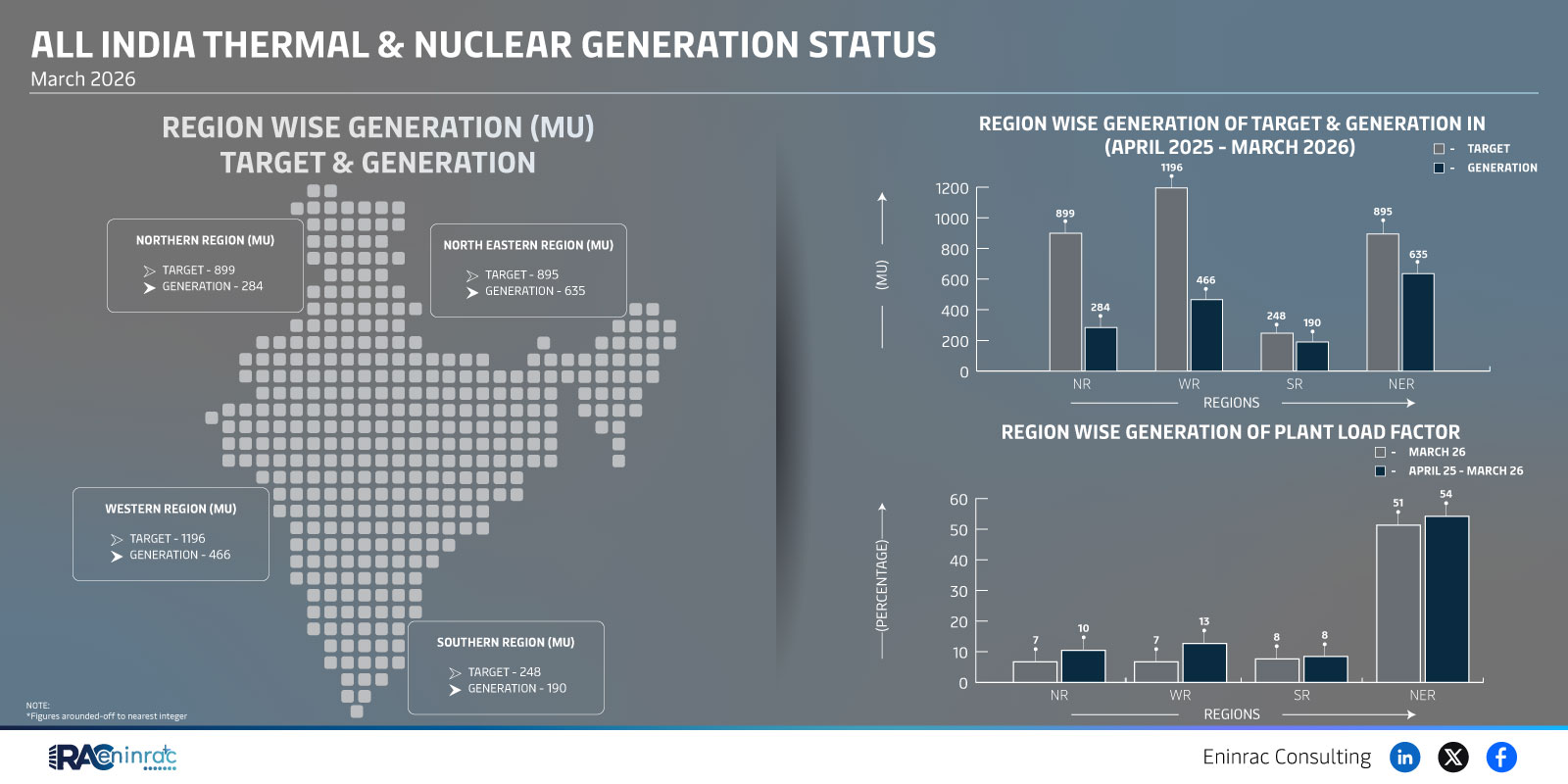
The latest Indian energy bulletin for the period April 2025 to March 2026 provides a detailed snapshot of India thermal and nuclear power generation. Understanding how the country performed against its generation targets, the regional distribution of output, and plant load factors is essential for investors, policymakers, and industry analysts who track the nation’s energy security and transition pathways.
What Does the Data Reveal About This Topic?
Does India meet its thermal and nuclear generation targets for FY 2025‑26? The data shows that the overall target of 895 MU was approached but not fully reached, with notable shortfalls in the Western region and modest gains in the Eastern corridor. Load factor analysis indicates varying efficiency across plants, highlighting operational challenges and opportunities for improvement.
Regional Performance and Load Factor Insights
When comparing regions, the Western region lagged behind its 1,200 MU target, generating roughly 800 MU, while the Eastern region contributed closer to its 1,000 MU goal. Load factor figures reveal that plants in the Southern zone operated at higher efficiency, often exceeding 85 % capacity utilization, whereas several Western facilities struggled below 70 %. These disparities point to differences in fuel supply logistics, plant age, and maintenance regimes.
Impact on Sectors and Industries
Thermal and nuclear generation trends directly affect the conventional energy sector, influencing fuel procurement, grid stability, and carbon intensity calculations. Investors monitor target shortfalls as signals for potential policy adjustments or new project financing. Policymakers use load factor data to prioritize upgrades, incentivize retrofits, and align generation with renewable integration goals. Utilities also rely on these insights to balance supply contracts and manage peak demand periods.
Key Takeaways
- India’s overall thermal and nuclear generation fell short of the 895 MU target for FY 2025‑26.
- The Western region underperformed, generating about 800 MU against a 1,200 MU target.
- Southern plants achieved the highest load factors, often above 85 %.
- Load factor variability highlights operational inefficiencies in older Western facilities.
- Target gaps may prompt policy revisions and new investment in plant upgrades.
- Accurate regional data supports grid planning and renewable integration strategies.
FAQs
Did India achieve its thermal generation target for FY 2025‑26?
No, the country fell short of the 895 MU target, primarily due to lower output in the Western region.
Which region had the highest plant load factor?
The Southern region recorded the highest load factors, frequently exceeding 85 % capacity utilization.
What are the implications of missed generation targets?
Missed targets can lead to tighter grid margins, increased reliance on imports, and may trigger policy incentives for plant efficiency improvements.
How does nuclear generation compare to thermal generation in this period?
Nuclear output remained relatively stable but contributed a smaller share of total generation, reinforcing the dominance of thermal sources.
What actions might policymakers take in response?
Policymakers could introduce incentives for plant upgrades, streamline fuel supply chains, and encourage hybrid renewable‑thermal projects to improve overall reliability.