
Introduction
The June 2026 data set for the Pradhan Mantri Sahaj Bijli Har Ghar (PMSG) scheme, also referred to as MBY, provides a clear snapshot of how many households have received electricity connections across the eastern part of India. Understanding which states have the highest numbers of households benefitted under PMSG helps policymakers, investors, and development agencies allocate resources more effectively and track progress toward universal electrification goals.
What Does the Data Reveal About This Topic?
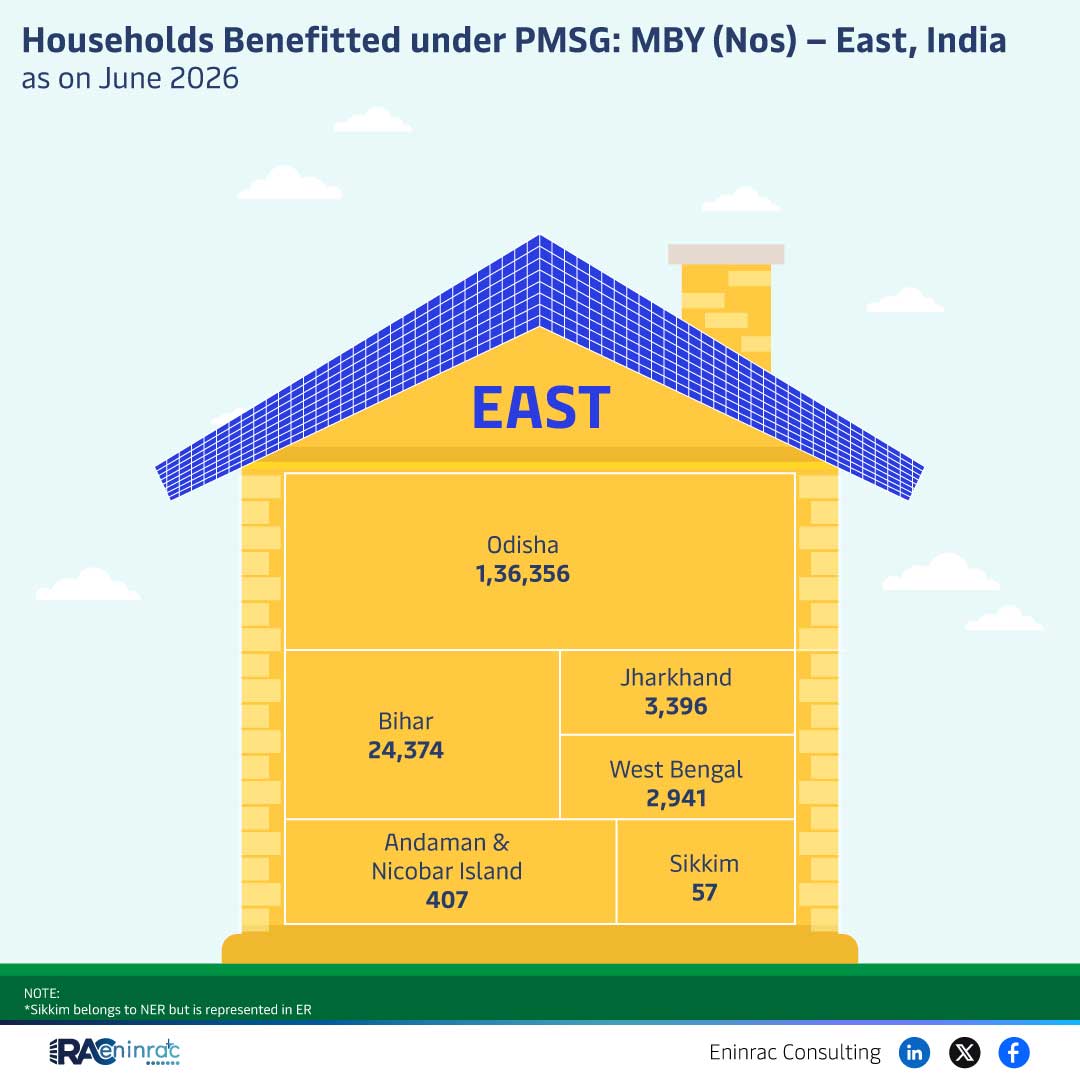
The raw figures show that Odisha leads with 136,356 households, followed by Bihar with 24,374, West Bengal with 2,941, Jharkhand with an unclear but smaller figure, Andaman & Nicobar Islands with 407, and Sikkim with just 57 households. These numbers answer the fundamental question of which regions are advancing fastest under the PMSG initiative and where gaps remain.
Statewise Household Benefits Overview
When we compare the states, Odisha’s figure of over one hundred thirty‑six thousand households stands out as a major achievement, reflecting strong on‑ground implementation and possibly higher baseline demand. Bihar, despite being a large state, reports a modest 24,374 households, indicating either a later rollout phase or logistical challenges. West Bengal’s 2,941 connections suggest focused efforts in specific districts rather than a blanket approach. The Andaman & Nicobar Islands, with 407 households, illustrate the scheme’s reach into remote archipelagos, while Sikkim’s 57 connections emphasize early‑stage penetration in hilly terrain. Jharkhand’s data appears fragmented, hinting at reporting inconsistencies that need clarification for a full assessment.
Impact on Sectors and Industries
Electrification under PMSG influences multiple sectors. Rural agriculture benefits from reliable power for irrigation pumps and cold storage, boosting productivity and income. Small‑scale manufacturing and cottage industries gain access to machinery, enabling job creation and diversification. The construction sector sees increased demand for wiring, transformers, and related infrastructure. Investors in renewable energy view these connections as opportunities for solar and mini‑grid projects, while policy makers can fine‑tune subsidy allocations based on statewise performance. Moreover, improved electricity access raises living standards, supporting education, health services, and overall economic development.
Key Takeaways
- Odisha leads with 136,356 households, showcasing robust execution.
- Bihar’s 24,374 connections reveal moderate progress and room for growth.
- West Bengal, Andaman & Nicobar, and Sikkim illustrate varied scales of implementation.
- Data gaps in Jharkhand highlight the need for better reporting mechanisms.
- Electrification under PMSG drives agricultural, industrial, and social development.
- Investors can target high‑growth states for renewable energy partnerships.
FAQs
What is the PMSG (MBY) scheme?
PMSG, also known as the Saubhagya scheme, aims to provide electricity connections to all households in India, focusing on underserved areas.
Why does Odisha have the highest number of benefitted households?
Strong state‑level coordination, existing grid infrastructure, and higher demand have accelerated connections in Odisha.
How can investors use this data?
Investors can identify states with high connection rates for renewable energy projects and low‑connection states for new market entry.
What challenges does Jharkhand face in reporting?
Fragmented data suggests administrative delays, incomplete surveys, or technical issues that need resolution.
How does household electrification affect agriculture?
Reliable power enables the use of electric pumps, irrigation systems, and storage facilities, improving crop yields and farmer incomes.