
Introduction
The FAME-II scheme continues to drive electric vehicle (EV) adoption across India. In the northern region, the latest data as of March 26 shows striking variations in the number of EVs supported under the programme. Understanding which states lead the charge helps investors, policymakers and consumers gauge market momentum and plan future initiatives. This article breaks down the regional figures, highlights key trends and explains what the data means for the broader clean‑mobility ecosystem.
What Does the Data Reveal About This Topic?
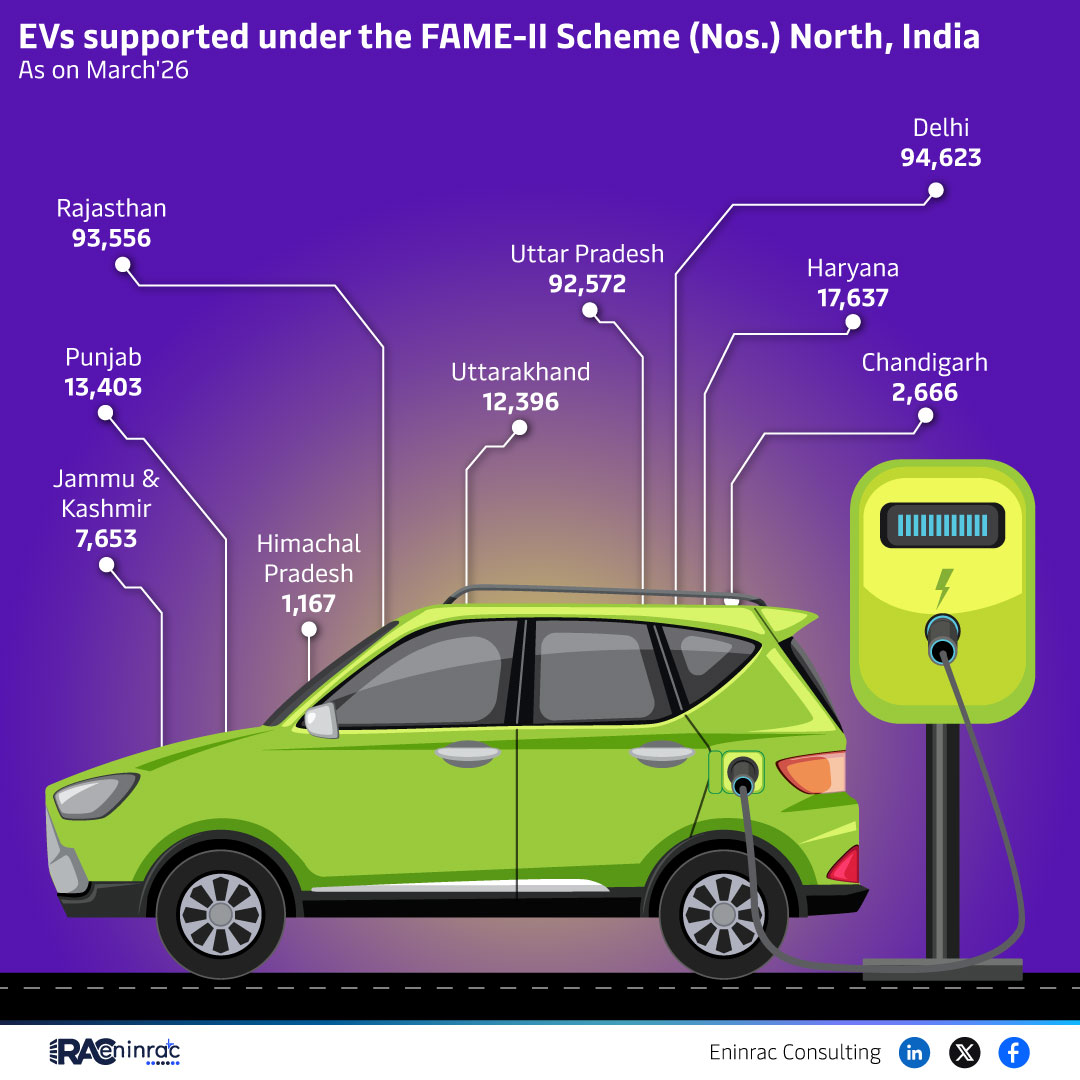
Which northern states have the highest FAME-II scheme EV support and why do the numbers differ? The data shows Delhi (94,623) and Rajasthan (93,556) dominate the list, followed by Uttarakhand (13,403) and Chandigarh (12,396). Smaller contributions come from Punjab (2,666), Jammu & Kashmir (7,653) and Himachal Pradesh (1,167). The disparity reflects differences in urban density, state‑level incentives and infrastructure readiness.
Regional Breakdown of FAME‑II EV Support in North India
Delhi tops the chart with 94,623 EVs, benefiting from extensive charging infrastructure, aggressive public‑sector procurement and strong consumer awareness. Rajasthan closely follows, driven by its large hinterland, state subsidies and a growing fleet of public transport electrification projects. Uttarakhand and Chandigarh, though much smaller, show healthy adoption rates of 13,403 and 12,396 respectively, thanks to targeted tourism‑focused EV programmes and compact city layouts that favour electric two‑wheelers and buses. Punjab’s 2,666 EVs indicate early‑stage uptake, while Jammu & Kashmir’s 7,653 vehicles highlight the impact of rugged terrain incentives. Himachal Pradesh, with 1,167 EVs, lags behind, suggesting a need for more charging points and fiscal support.
Impact on Sectors and Industries
The distribution of FAME-II EV support influences several sectors. Automotive manufacturers can prioritize production for high‑demand states like Delhi and Rajasthan, while charging‑network providers see lucrative opportunities in Uttarakhand and Chandigarh. Financial institutions gain insight into credit‑worthy markets for EV loans. Policymakers can tailor incentives to under‑served regions such as Himachal Pradesh, encouraging balanced growth and reducing regional emissions gaps. Overall, the data guides strategic decisions across the clean‑energy value chain.
Key Takeaways
- Delhi leads northern EV support with over 94 k vehicles.
- Rajasthan is a close second, showing strong state incentives.
- Uttarakhand and Chandigarh demonstrate rapid growth despite smaller populations.
- Punjab’s modest figures suggest early adoption phases.
- Jammu & Kashmir’s numbers reflect terrain‑specific programmes.
- Himachal Pradesh needs enhanced infrastructure to boost EV uptake.
FAQs
What is the FAME-II scheme?
FAME‑II (Faster Adoption and Manufacturing of Hybrid & Electric Vehicles) is a government initiative that provides subsidies and incentives to accelerate EV adoption across India.
Why do Delhi and Rajasthan have the highest EV numbers?
Both states combine strong policy support, dense urban populations, and extensive charging infrastructure, creating an environment conducive to EV purchases.
How can smaller states increase their EV support?
By offering state‑level subsidies, expanding public charging stations, and partnering with private firms to lower the cost of ownership for consumers.
What types of EVs are most common under FAME‑II?
Two‑wheelers, three‑wheelers and electric buses dominate the scheme, reflecting the focus on affordable and mass‑transit solutions.
Will the data change in the next quarter?
Yes, as more states implement incentives and new vehicle models launch, the FAME‑II support figures are expected to rise across the northern region.