
Introduction
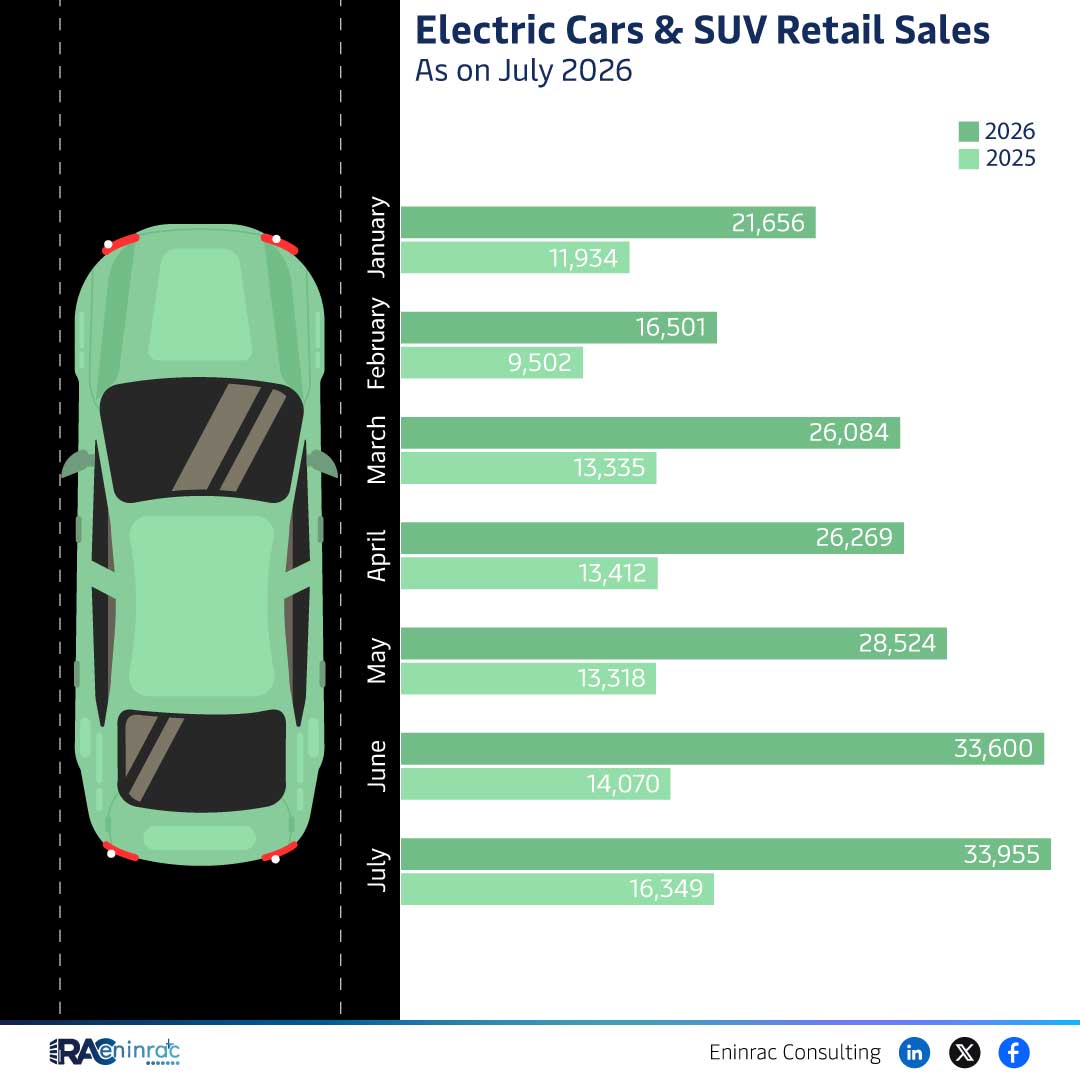
The Eninrac Consulting report released in July 2026 provides the most recent snapshot of electric cars and SUV retail sales across major markets. Understanding these figures is essential for manufacturers, investors, and policymakers who track the rapid shift toward electrified mobility. This article breaks down the key findings, compares regional performance, examines sector‑wide implications, and answers common questions about what the data means for the future of the electric vehicle market.
What Does the Data Reveal About This Topic?
What does the data reveal about electric cars and SUV retail sales 2026? The figures show a continued acceleration in total units sold, with SUVs outpacing sedans by a narrow margin. Year‑over‑year growth reached approximately 12 % globally, driven primarily by strong demand in North America and Europe, while Asian markets contributed substantial volume but slower percentage gains. The report also highlights a modest dip in Q2 that was quickly offset by a robust Q3 recovery.
2026 Retail Performance by Region and Vehicle Segment
When the numbers are broken down by geography, North America leads in percentage growth, posting a 14 % increase compared with the previous year, while Europe follows with an 11 % rise. Asia‑Pacific remains the largest volume market, delivering over 1.2 million units, yet its growth rate steadied at about 8 %. Within vehicle categories, electric SUVs grew 13 % and now represent roughly 38 % of all electric passenger vehicle sales, narrowing the historic gap with electric sedans. These trends suggest that consumer preferences are shifting toward larger, versatile EV models as range improvements and charging infrastructure expand.
Impact on Sectors and Industries
The surge in electric cars and SUV retail sales 2026 reverberates across multiple sectors. Battery manufacturers experience heightened demand for higher‑capacity modules, prompting increased investment in cathode material supply chains. Charging network providers are accelerating rollout plans to support the growing SUV fleet, which typically requires faster charge rates. Automakers are reallocating R&D budgets toward SUV platforms, influencing supplier negotiations and scale economies. Investors see a bullish outlook for firms with strong EV line‑ups, while policymakers consider incentives tailored to larger EVs to meet emissions targets without compromising grid stability.
Key Takeaways
- Global EV sales rose about 12 % in 2026, driven by SUV popularity.
- North America posted the highest growth rate at 14 %.
- Asia‑Pacific remains the largest volume market despite slower growth.
- Electric SUVs now account for roughly 38 % of EV sales.
- Battery demand and charging infrastructure investments are accelerating.
- Policymakers may adapt incentives to support higher‑capacity EVs.
FAQs
How much did electric car and SUV sales increase in 2026?
Overall sales grew about 12 % year‑over‑year, with SUVs contributing the strongest segment growth.
Which region showed the fastest growth?
North America recorded the fastest percentage increase, climbing roughly 14 % compared with 2025.
Are electric SUVs becoming the dominant EV type?
Yes, they now represent about 38 % of all electric passenger vehicle sales, narrowing the gap with sedans.
What does this mean for battery manufacturers?
Higher demand for larger‑capacity packs is prompting increased production and investment in advanced cathode materials.
Will governments change incentives because of SUV growth?
Many policymakers are reviewing incentive structures to encourage larger EV adoption while managing grid impact.