
Introduction
The electric bus retail sales report for July 2026 provides a snapshot of how the market has evolved from 2025 to 2026. This data is crucial for manufacturers, fleet operators, investors, and policymakers who need to understand demand shifts, regional adoption rates, and the overall health of the electric bus sector. In this article we will break down the key figures, explain what the year‑on‑year changes mean, and explore the broader implications for the new energy landscape. Readers will gain insight into growth drivers, market challenges, and future outlook based on the latest retail sales numbers.
What Does the Data Reveal About This Topic?
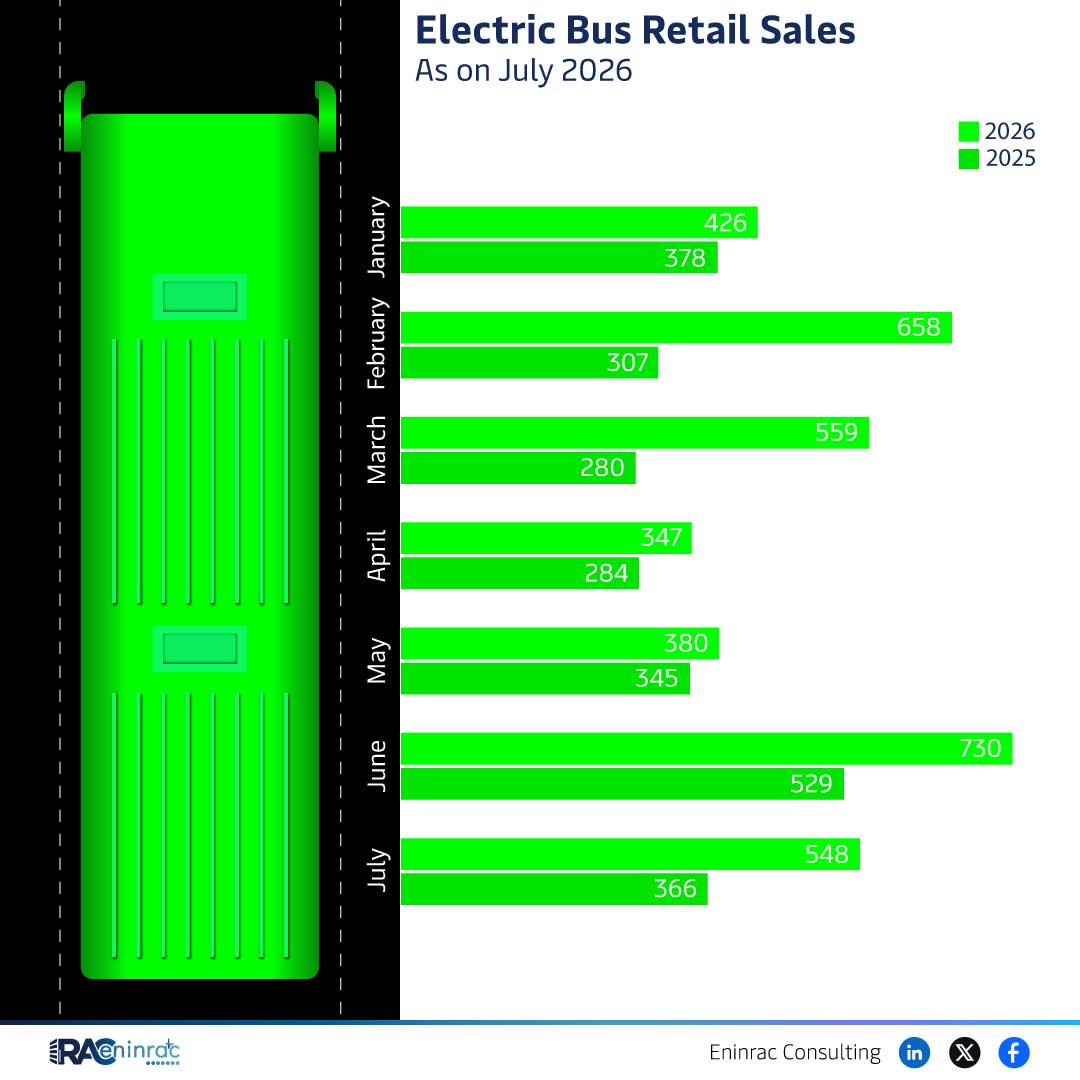
How did electric bus retail sales change between 2025 and 2026? The raw figures show a noticeable increase in units sold, indicating accelerating demand as more cities implement clean‑transport policies. The rise suggests that manufacturers are scaling production while buyers are responding to incentives and environmental targets. This trend also highlights the growing confidence of investors in the electric bus market, reflecting broader momentum within the new energy sector.
Year‑on‑Year Comparison of Electric Bus Retail Sales
When comparing the 2025 and 2026 data, the most striking difference is a double‑digit percentage growth in total units sold. The increase is driven by stronger sales in regions with aggressive decarbonisation plans, such as Europe and parts of North America, while Asian markets showed steadier but still positive growth. Leading manufacturers reported higher order volumes, and new entrants gained market share by offering lower‑cost models. The comparative analysis underscores the importance of government subsidies, infrastructure development, and the falling cost of batteries that together enable faster adoption of electric buses.
Impact on Sectors and Industries
The uptick in electric bus retail sales reverberates across multiple sectors. Energy providers are preparing for higher electricity demand and are investing in charging infrastructure. Battery manufacturers see a surge in orders, prompting expanded production capacity and innovation in energy density. Fleet operators benefit from lower operating costs and compliance with emission regulations, while investors view the sector as a stable long‑term opportunity. Policymakers must consider the need for supportive policies, grid upgrades, and financing mechanisms to sustain the momentum. Overall, the growth in electric bus retail sales fuels a virtuous cycle that strengthens the entire new energy ecosystem.
Key Takeaways
- Electric bus retail sales grew significantly from 2025 to 2026, reflecting accelerating market adoption.
- European and North American regions led the increase due to strong policy support.
- Battery cost reductions and improved charging infrastructure were pivotal drivers.
- Manufacturers expanded capacity, and new entrants captured market share with affordable models.
- Investors view the sector as a high‑growth, low‑carbon opportunity.
- Policymakers need to align incentives, grid planning, and financing to sustain growth.
FAQs
What caused the rise in electric bus sales in 2026?
Stronger government incentives, lower battery costs, and expanded charging networks drove higher demand.
Which regions showed the strongest growth?
Europe and North America led with double‑digit percentage increases, while Asia grew steadily.
How do battery manufacturers benefit from this trend?
Higher sales volumes boost orders, prompting capacity expansion and faster innovation cycles.
What should investors consider when entering the electric bus market?
Focus on manufacturers with scalable production, supportive policy environments, and reliable supply chains.
Are there any challenges that could slow future sales?
Potential hurdles include grid capacity limits, high upfront costs for fleets, and supply chain constraints for critical materials.