
Introduction
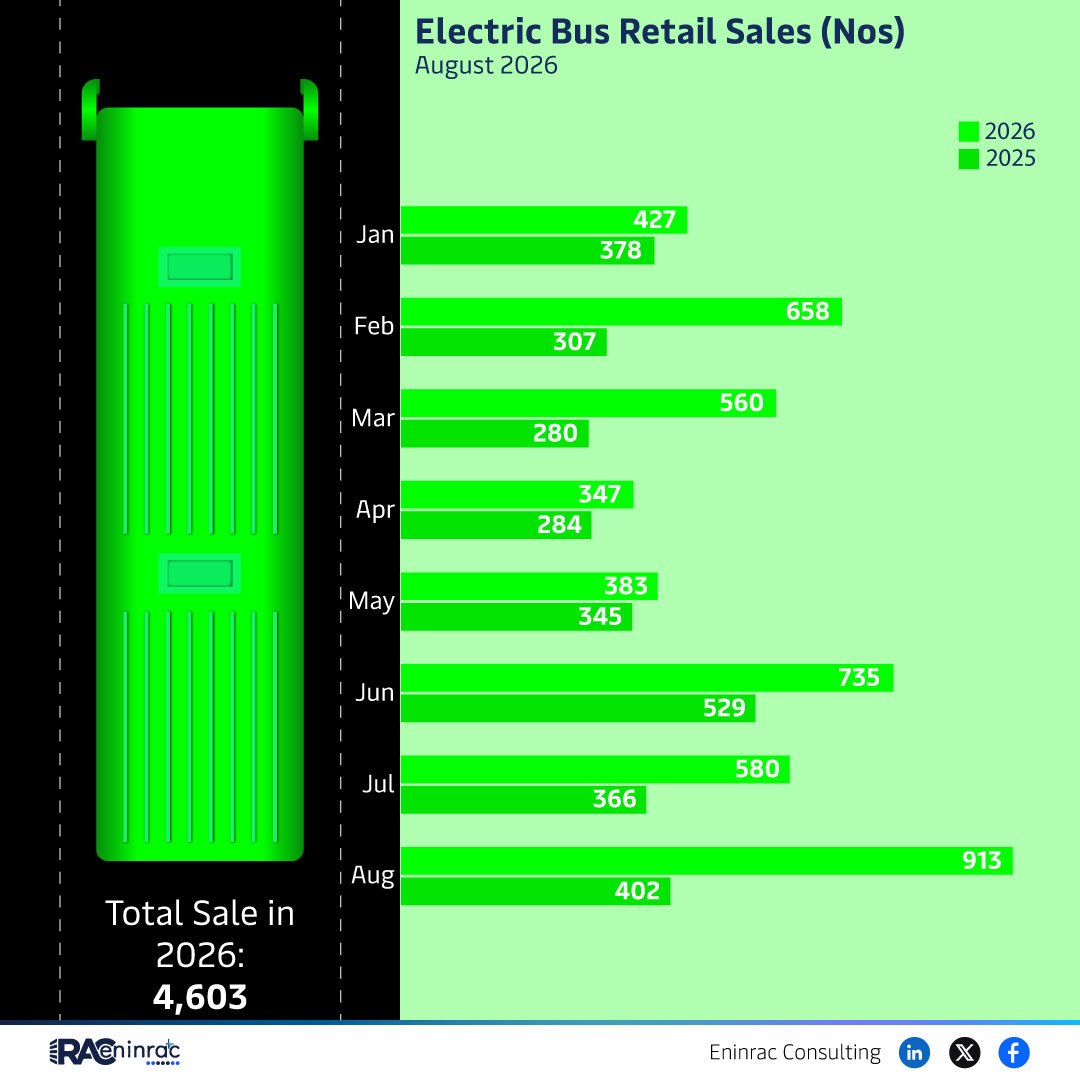
Electric bus adoption is reshaping urban mobility worldwide, and the latest figures for 2026 highlight a rapid acceleration. In August 2026, total electric bus retail sales climbed to 4,603 units, underscoring growing demand from transit agencies and private operators. This surge reflects broader policy pushes for cleaner transportation, advances in battery technology, and increasing public awareness of environmental benefits. Readers will learn why these numbers matter, what they reveal about market dynamics, and how they influence future investment and regulatory decisions.
What Does the Data Reveal About This Topic?
What does the jump to 4,603 electric buses sold in 2026 tell us? The data signals that the electric bus market is transitioning from niche to mainstream, with sales outpacing previous years and indicating strong confidence among buyers. It also suggests that supply chains have become more resilient, allowing manufacturers to meet rising demand without major bottlenecks. In short, the rise in Electric Bus Retail Sales 2026 confirms that decarbonisation targets are translating into concrete vehicle deliveries.
Regional Sales Distribution and Market Leaders
When we break down the 4,603 units by geography, the strongest growth appears in East Asia, Europe, and North America. China continues to dominate with the highest absolute numbers, driven by government subsidies and ambitious city‑level electrification plans. Europe follows, especially in Germany, the United Kingdom, and the Netherlands, where strict emission standards and funding incentives support fleet upgrades. North America shows a slower but steady climb, led by California’s aggressive zero‑emission bus mandates. These regional patterns illustrate how policy environments and infrastructure readiness shape sales outcomes.
Impact on Sectors and Industries
The surge in electric bus retail sales reverberates across multiple sectors. Battery manufacturers experience heightened demand for high‑energy‑density cells, spurring further research and cost reductions. Bus chassis builders must adapt production lines to accommodate larger battery packs and electric drivetrains. Service providers—charging station installers, fleet operators, and maintenance firms—see new revenue streams as they retrofit depots and develop expertise in electric propulsion. Investors are drawn to the sector, viewing it as a stable, long‑term growth opportunity aligned with ESG criteria. Policymakers, meanwhile, can leverage the momentum to justify additional incentives and infrastructure investments.
Key Takeaways
- Electric Bus Retail Sales 2026 reached 4,603 units, marking a notable increase from 2025.
- East Asia leads the market, with Europe and North America showing strong growth trajectories.
- Policy incentives, emission standards, and charging infrastructure are primary sales drivers.
- Battery demand is rising, encouraging further innovation and cost declines.
- Fleet operators benefit from lower operating costs and reduced emissions.
- Investors view the sector as a high‑growth, ESG‑aligned opportunity.
FAQs
Why did electric bus sales jump in 2026?
Enhanced government subsidies, stricter emission regulations, and improved battery performance collectively boosted buyer confidence, leading to higher sales.
Which regions are adopting electric buses the fastest?
China remains the top seller, while Europe and North America are accelerating adoption due to strong policy frameworks.
How does the increase in sales affect battery manufacturers?
Higher sales drive demand for larger, more efficient battery packs, prompting manufacturers to scale production and invest in R&D.
What are the cost benefits for operators switching to electric buses?
Operators experience lower fuel and maintenance expenses, and benefit from subsidies that offset initial purchase costs.
Will the trend continue beyond 2026?
Analysts expect continued growth as more cities commit to zero‑emission targets and charging infrastructure expands globally.