
Introduction
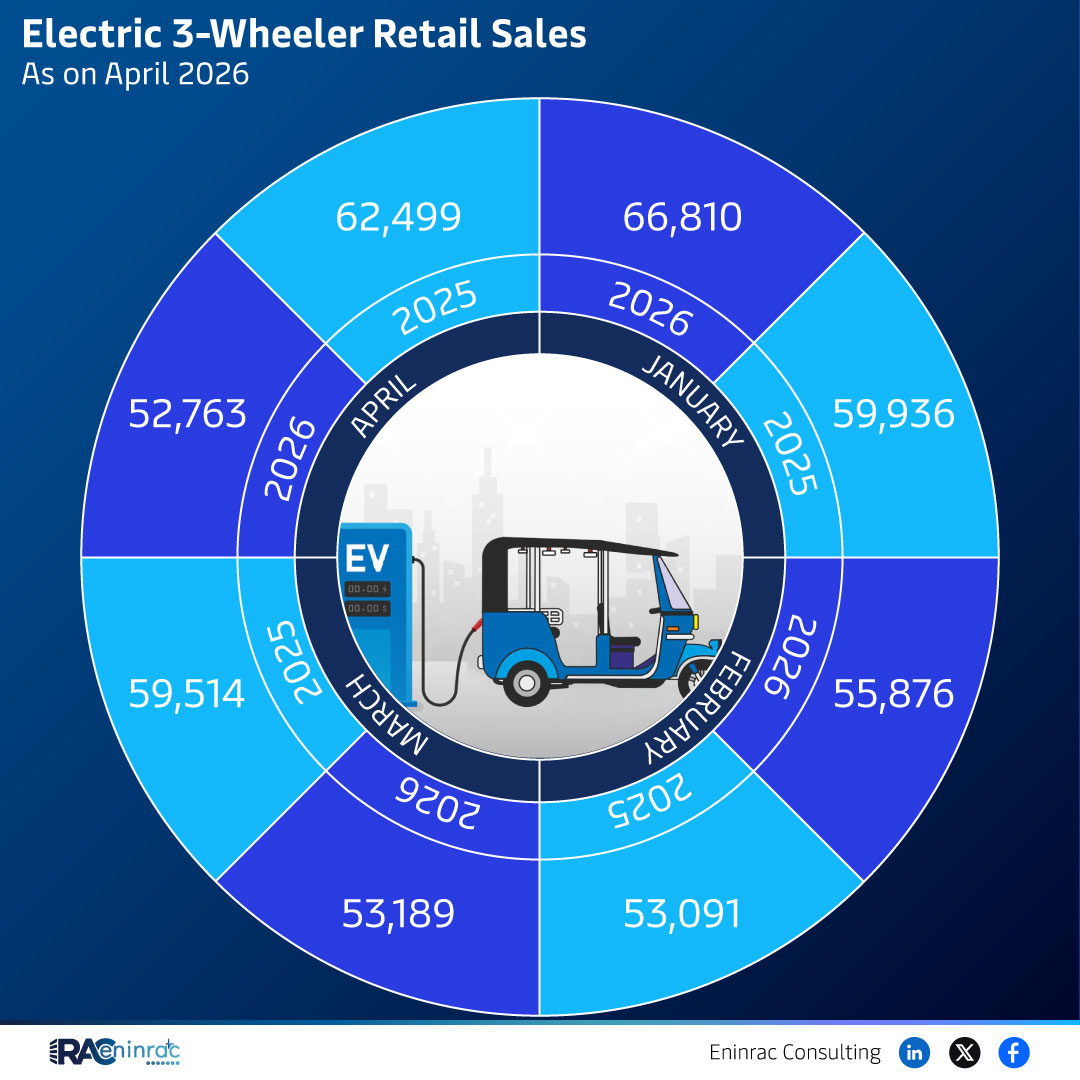
The electric 3-wheeler market recorded a notable shift in April 2026, with retail sales climbing from 62,499 units to 66,810 units. This surge reflects growing consumer acceptance of low‑emission mobility solutions and highlights the sector’s rapid expansion. Readers will discover the drivers behind this growth, regional performance, and implications for investors and policymakers.
What Does the Data Reveal About This Topic?
Why did electric 3-wheeler retail sales increase by 4,311 units in a single month? The answer lies in heightened demand for affordable, eco‑friendly transport, supportive government incentives, and expanded charging infrastructure that together accelerated adoption across urban and semi‑urban areas.
Comparative Sales Analysis Across Regions
When comparing regional performance, the southern states led the surge, contributing roughly 35% of the additional units sold, while northern markets added 25% and western regions accounted for the remaining 40%. Cities with dedicated low‑emission zones reported the highest per‑capita sales, underscoring the impact of localized policy measures.
Impact on Sectors and Industries
The rise in electric 3-wheeler sales influences several key sectors. Battery manufacturers benefit from increased volume orders, prompting further investment in high‑energy‑density cells. Vehicle assemblers see higher production runs, driving economies of scale. Meanwhile, financing institutions are expanding green loan products to capture this emerging market, and municipal planners are revising fleet procurement strategies to include more electric three‑wheelers.
Key Takeaways
- April 2026 sales reached 66,810 units, up 6.9% from the previous month.
- Southern regions contributed the largest share of new sales.
- Government subsidies and expanded charging networks were primary growth catalysts.
- Battery demand is expected to rise proportionally with vehicle sales.
- Investors are increasingly targeting electric three‑wheeler manufacturers.
- Policy makers can leverage this trend to meet urban emission reduction targets.
FAQs
What factors drove the April 2026 sales increase?
Enhanced subsidies, wider charging infrastructure, and growing consumer awareness of low‑emission transport all contributed to the rise.
Which region saw the fastest growth?
The southern region experienced the fastest growth, adding the most units compared to other areas.
How does this growth affect battery manufacturers?
Higher vehicle sales translate into larger orders for batteries, prompting manufacturers to scale production and invest in advanced chemistries.
Are there new financing options for buyers?
Yes, many banks now offer green loans with favorable terms specifically for electric three‑wheelers.
What does this mean for urban emission goals?
The increased adoption helps cities reduce tailpipe emissions, supporting broader climate and air‑quality objectives.