
Introduction
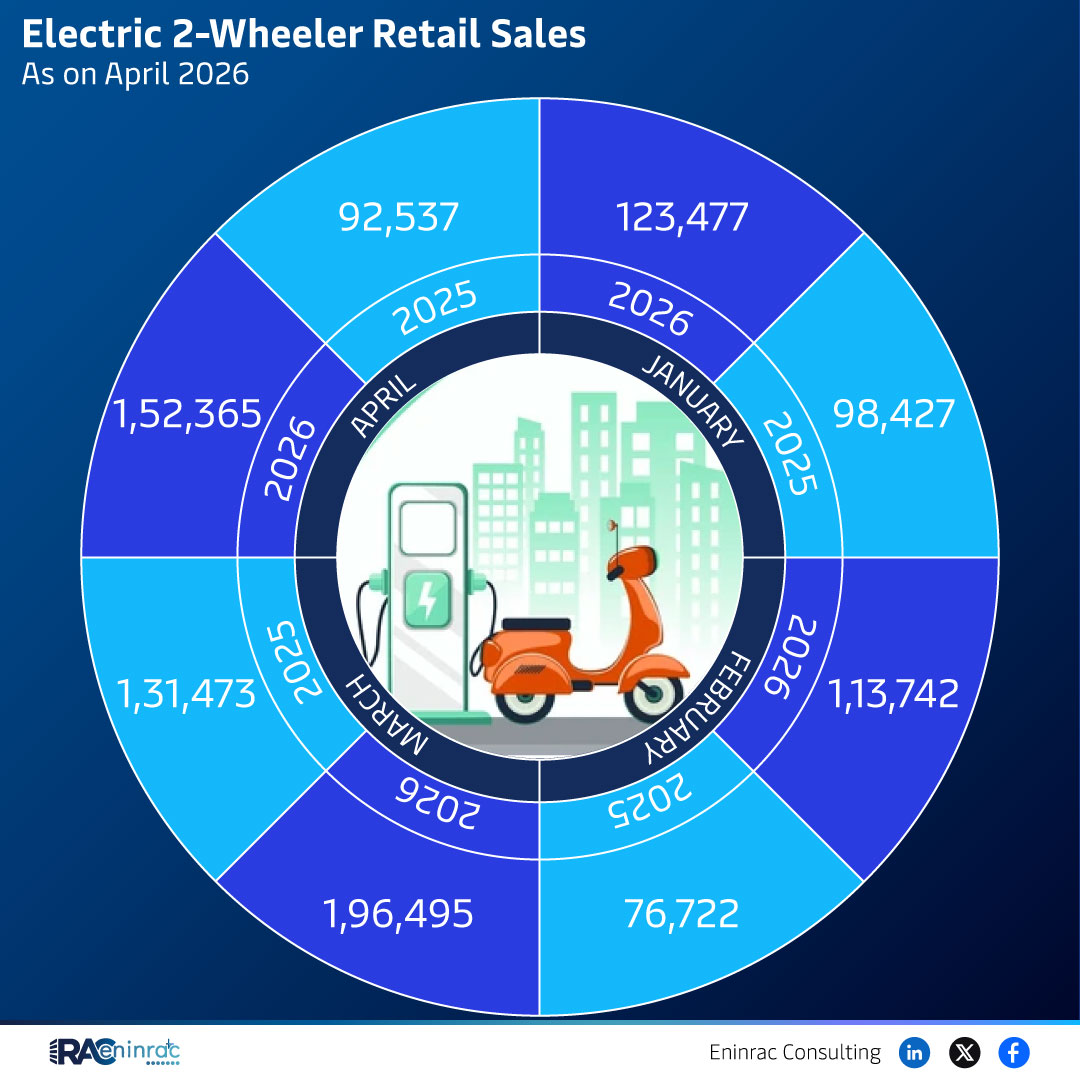
The Indian electric two‑wheeler market recorded a retail sale of 1,96,495 units as of April 2026. This milestone highlights rapid consumer adoption of clean mobility and signals a shift in transportation preferences. Readers will learn what the figure means, how it compares to past performance, and why it matters for manufacturers, investors, and policymakers.
What Does the Data Reveal About This Topic?
Why did electric two‑wheelers achieve nearly two hundred thousand sales in April 2026? The data shows a strong demand surge driven by government incentives, expanding charging infrastructure, and falling battery costs. It also reflects growing environmental awareness among urban commuters.
Comparative Sales Landscape Across Regions
When placed against other Indian states, Maharashtra and Karnataka lead with the highest per‑capita sales, while smaller markets such as Rajasthan and Bihar lag behind. Compared with the same month in 2025, sales have risen by roughly 22%, underscoring accelerating market momentum. Internationally, India’s April sales now rival those of China’s second‑largest city clusters, positioning the country as a global hub for electric two‑wheelers.
Impact on Sectors and Industries
The surge influences several sectors. Battery manufacturers benefit from higher volume orders, prompting investments in lithium‑ion production capacity. Charging network providers see increased site deployments, while traditional two‑wheeler OEMs accelerate their electric model rollouts. Investors are attracted to the sector’s growth potential, and policymakers gain evidence to justify continued subsidies and emission‑reduction targets.
Key Takeaways
- April 2026 retail sales reached 1,96,495 electric two‑wheelers.
- Sales grew 22% year‑over‑year, indicating strong market momentum.
- Maharashtra and Karnataka dominate regional sales.
- Battery demand is rising, driving new manufacturing projects.
- Charging infrastructure expansion is accelerating to meet demand.
- Policymakers can leverage the data to refine incentive programs.
FAQs
What factors contributed to the 196,495 sales figure?
Key drivers include government subsidies, lower battery prices, expanded charging stations, and heightened consumer environmental awareness.
How does April 2026 compare to the same month last year?
Sales increased by approximately 22%, reflecting faster adoption and broader model availability.
Which Indian states lead in electric two‑wheeler sales?
Maharashtra and Karnataka have the highest per‑capita sales, followed by Delhi and Tamil Nadu.
What impact does this sales surge have on battery manufacturers?
Higher sales translate to larger battery orders, prompting capacity expansions and new gigafactory announcements.
Will the government continue to support electric two‑wheelers?
Given the positive market response, policymakers are expected to maintain or enhance incentives to meet climate goals.