
Introduction
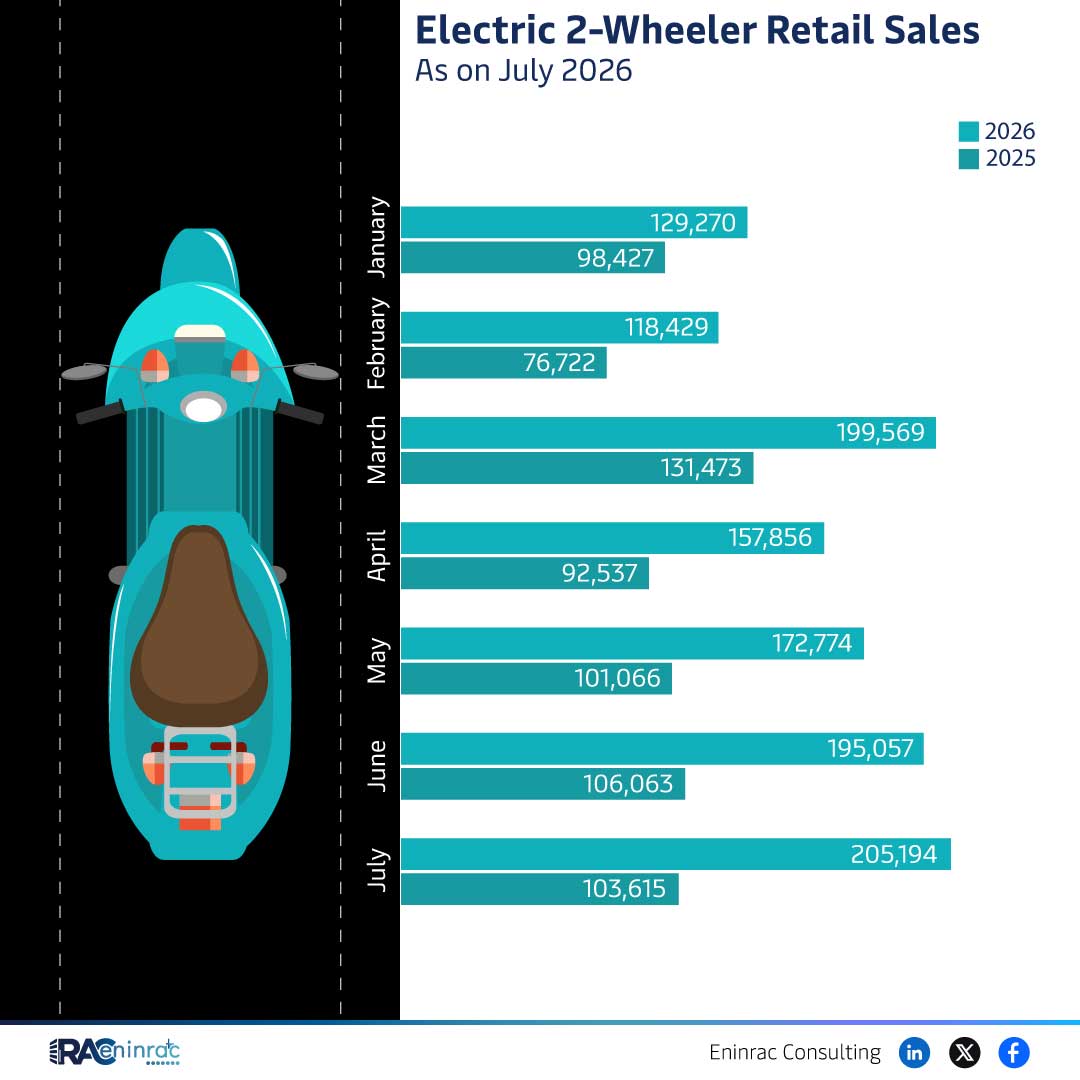
Eninrac Consulting released a comprehensive analysis of electric 2‑wheeler retail sales covering the period up to July 2026. The report compares data from 2025 and 2026, shining a light on market momentum, consumer preferences, and geographic hotspots. Understanding these trends is essential for manufacturers, investors, and policymakers who aim to capture growth in the fast‑evolving electric mobility sector.
What Does the Data Reveal About This Topic?
Question: What key insight does the 2025‑2026 data provide on electric 2‑wheeler retail sales?
Answer: The data shows a clear acceleration in sales volume, with a year‑over‑year increase that surpasses previous growth rates, indicating stronger consumer acceptance and expanding distribution networks across major markets.
Trends in Electric 2‑Wheeler Retail Sales 2025‑2026
The comparative interpretation highlights several notable trends. First, sales surged in urban centers where congestion and emissions regulations favor low‑carbon transport. Second, price competitiveness improved as battery costs continued to decline, making electric scooters and motorcycles more affordable. Third, regional differences emerged: South‑East Asia maintained the highest absolute sales, while Europe displayed the fastest percentage growth due to supportive subsidy schemes. Finally, brand diversification intensified, with new entrants gaining market share alongside established manufacturers.
Impact on Sectors and Industries
The rise in electric 2‑wheeler retail sales influences multiple sectors. Battery manufacturers benefit from higher demand for compact, high‑energy‑density cells. Charging infrastructure providers see new opportunities to install micro‑networks in densely populated districts. Automotive suppliers must adapt supply chains to accommodate electric drivetrains. Investors gain a clearer view of profitable opportunities, while policymakers can justify incentives that promote cleaner urban mobility and reduce reliance on fossil‑fuel scooters.
Key Takeaways
- Electric 2‑wheeler sales grew significantly between 2025 and 2026, outpacing overall EV growth.
- Urban markets drove the majority of the volume increase due to congestion mitigation policies.
- Declining battery prices improved affordability, boosting consumer adoption.
- Regional performance varied, with Asia leading in volume and Europe leading in growth rate.
- New manufacturers entered the market, increasing competition and innovation.
- Stakeholders across the supply chain must adapt to the accelerating shift toward electric mobility.
FAQs
Why are electric 2‑wheelers gaining market share faster than cars?
Lower purchase cost, easier parking, and city‑level emission rules make them a convenient, affordable alternative to cars.
Which regions showed the highest percentage growth in 2026?
Europe experienced the highest percentage increase, driven by subsidies and stricter emission standards.
How did battery cost trends affect sales?
Continued reductions in battery costs lowered overall vehicle prices, making electric two‑wheelers more competitive with gasoline models.
What role does Eninrac Consulting play in this market?
Eninrac Consulting provides data‑driven insights that help manufacturers, investors, and policymakers make informed decisions about electric mobility.
What should investors watch for in the electric 2‑wheeler sector?
Key indicators include battery supply chain stability, regional policy changes, and the entry of new competitive brands.