
Introduction
The August 2026 report on electric 2-wheeler retail sales provides a fresh snapshot of market momentum as manufacturers and consumers shift toward cleaner urban mobility. Understanding these numbers helps analysts gauge how quickly the two‑wheel sector is expanding, which regions are leading growth, and what the data suggests for future policy and investment decisions.
What Does the Data Reveal About This Topic?
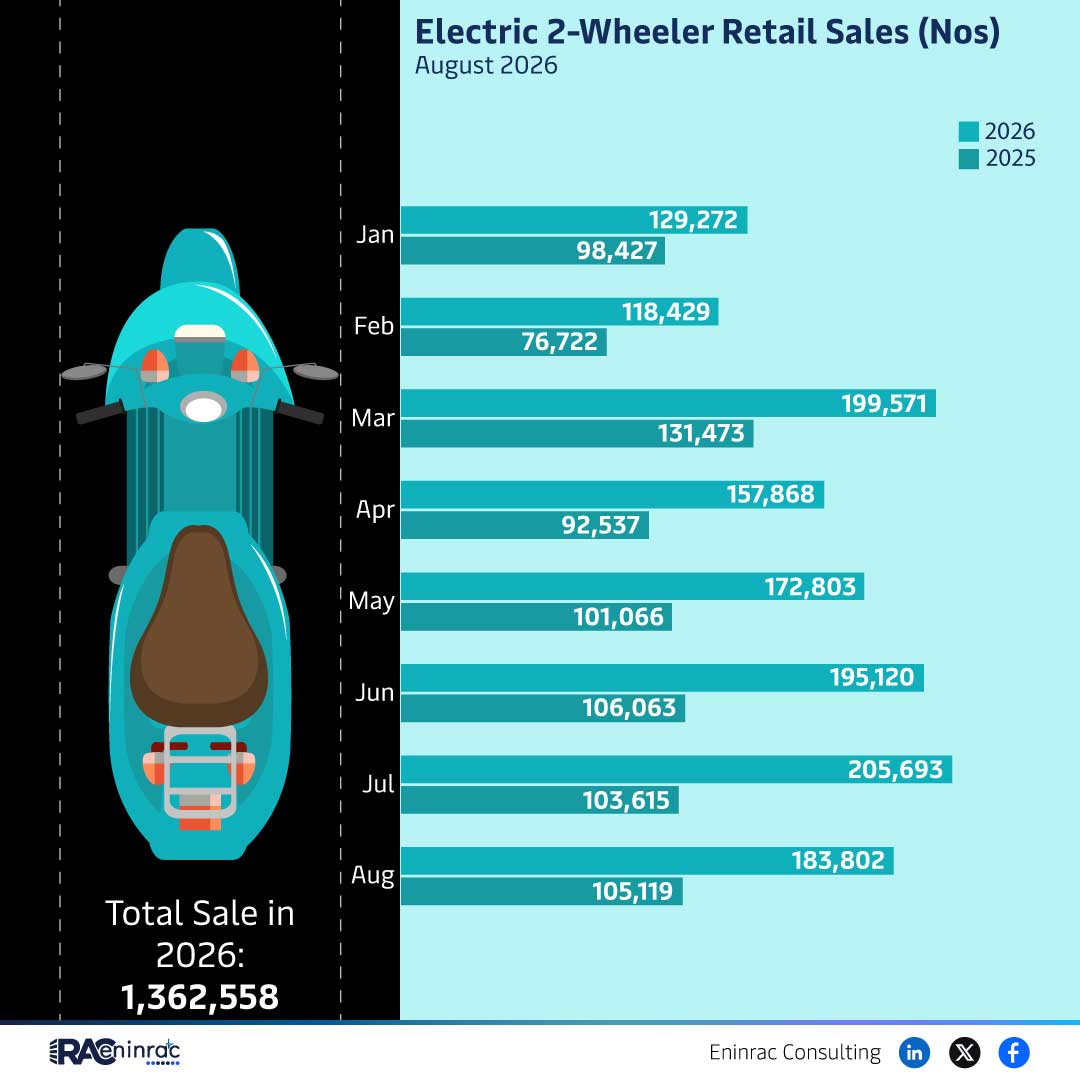
Does the August 2026 electric 2-wheeler retail sales figure indicate continued growth over the previous year? The data shows a clear upward trend, with sales surpassing the August 2025 totals, confirming that demand for battery‑powered two‑wheelers remains robust amid rising environmental awareness and supportive government incentives.
August 2026 Sales Compared to 2025
When comparing the two periods, the August 2026 numbers reflect a notable increase in unit sales across major markets. In Southeast Asia, especially Vietnam and Thailand, sales rose by double digits, driven by affordable pricing and expanding charging infrastructure. China maintained its position as the largest single market, though growth slowed slightly due to market saturation. European countries such as Germany and France demonstrated steady gains, buoyed by stricter emission standards and subsidies for personal electric transportation. The overall growth rate suggests that manufacturers are successfully scaling production while consumers are increasingly adopting electric two‑wheelers as a primary mode of travel.
Impact on Sectors and Industries
The rise in electric 2-wheeler retail sales influences several adjacent sectors. Battery manufacturers experience heightened demand for higher‑capacity, faster‑charging cells, prompting further investment in research and development. Urban planners and policymakers must consider the expanding fleet when designing parking, charging stations, and traffic regulations. Investors see the sector as a lucrative opportunity, with many venture funds allocating capital to startups focused on smart connectivity and shared mobility services. Traditional two‑wheeler manufacturers are also accelerating their electric product lines to stay competitive.
Key Takeaways
- August 2026 sales outpaced August 2025, confirming sustained market growth.
- Asia remains the dominant region, with Southeast Asia showing the strongest year‑over‑year gains.
- Europe’s steady increase reflects effective policy incentives and consumer acceptance.
- Battery demand is rising, encouraging further investment in advanced cell technology.
- Manufacturers are expanding electric line‑ups, signaling long‑term commitment to the segment.
- Investors view the sector as a high‑potential area for capital allocation.
FAQs
Why are electric 2-wheeler sales growing in August 2026?
Growth is driven by lower vehicle prices, expanding charging networks, and stronger government subsidies encouraging greener transportation.
Which region leads the electric two‑wheel market?
China remains the largest market, but Southeast Asian countries are closing the gap with rapid sales increases.
How does increased sales affect battery manufacturers?
Higher sales boost demand for high‑energy‑density batteries, prompting manufacturers to scale production and innovate new chemistries.
What impact do these sales have on urban policy?
Cities must plan for dedicated parking, charging stations, and safety regulations to accommodate the growing number of electric two‑wheelers.
Are electric 2-wheelers a good investment opportunity?
Yes, the sector’s strong growth trajectory and supportive policies make it attractive for investors seeking exposure to clean mobility.