
Introduction
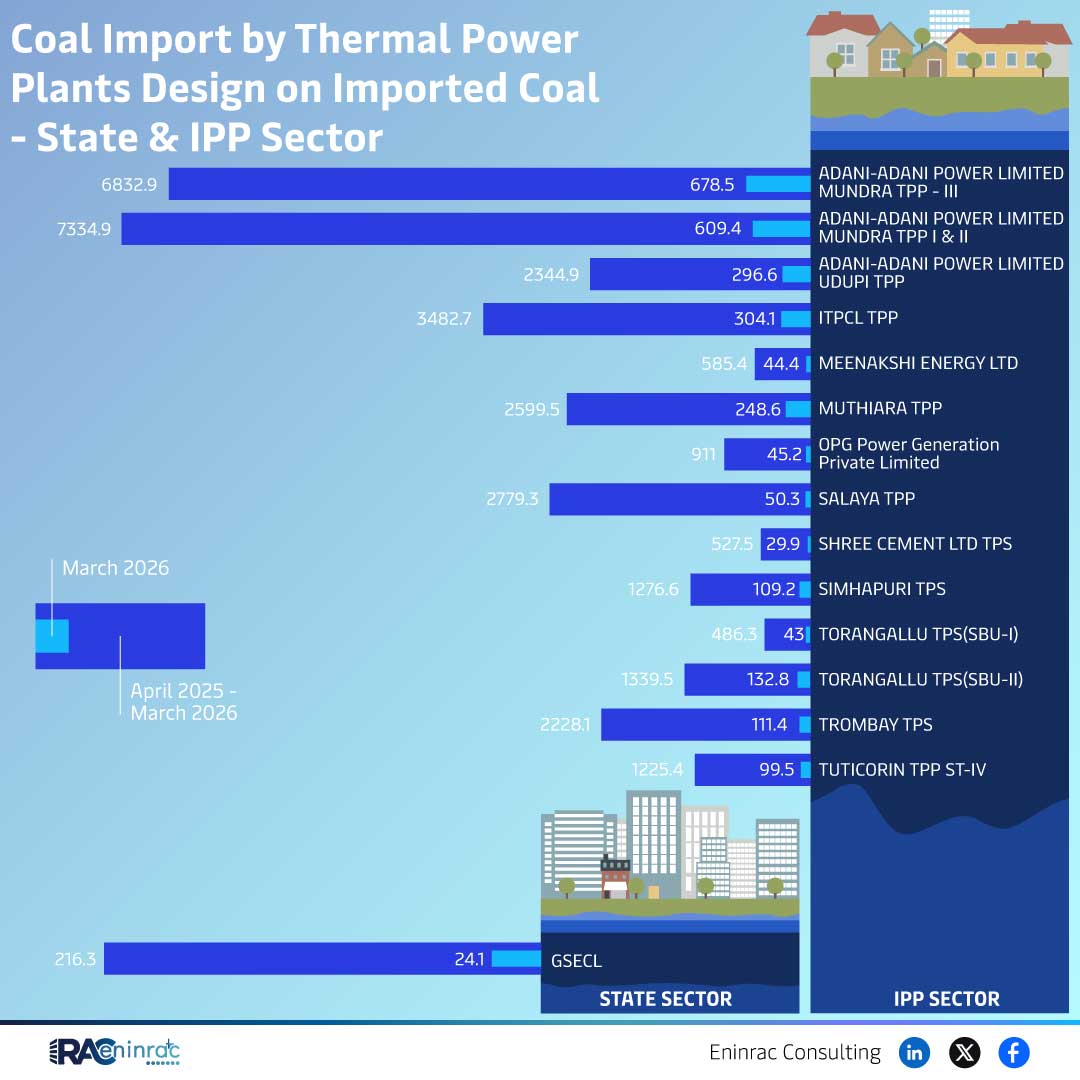
The dataset presented contains fragmented references to several Indian power and energy entities, including ADANI POWER LIMITED, MEENAKSHI ENERGY LTD, GSECL, and multiple thermal power plant (TPP) abbreviations. Understanding this information is crucial for investors, policymakers, and industry analysts who track the growth of renewable and conventional energy projects across the country. This article decodes the raw entries, highlights the relevance of each company, and explains how the data reflects broader trends in India’s energy landscape.
What Does the Data Reveal About This Topic?
At first glance the list appears as a collection of acronyms and partial names, yet it points to a mix of renewable and conventional power assets. The presence of ADANI POWER, a major player in both coal‑based and renewable generation, alongside entities such as MEENAKSHI ENERGY and GSECL, suggests a diversified portfolio of projects. The question therefore becomes: does this data indicate a shift toward renewable energy projects, or does it simply catalog existing conventional assets?
Comparative Overview of Companies and Project Types
ADANI POWER LIMITED operates a blend of coal, gas, solar, and wind facilities, positioning it at the forefront of India’s transition to cleaner energy. MEENAKSHI ENERGY LTD focuses primarily on renewable ventures, especially solar farms in southern states. GSECL (Goa State Electricity) traditionally manages hydro and thermal plants but has recently announced solar initiatives. The repeated mentions of "TPP" (Thermal Power Plant) and "TPS" (Thermal Power Station) indicate that many of the entries still relate to conventional generation, while the inclusion of "New Energy" tags hints at emerging renewable projects. Overall, the dataset reflects a sector in flux, where legacy thermal assets coexist with rapidly expanding solar and wind capacities.
Impact on Sectors and Industries
The blend of renewable and conventional projects influences several layers of the economy. Investors gain insight into risk‑adjusted returns as renewable assets receive policy incentives and lower carbon costs. Policymakers can gauge the effectiveness of state‑level renewable mandates by tracking companies like MEENAKSHI ENERGY and GSECL. For equipment manufacturers, the shift toward solar PV and wind turbines creates new demand, while coal‑related supply chains experience gradual contraction. Consumers ultimately benefit from cleaner energy and potentially lower tariffs as renewable penetration rises.
Key Takeaways
- ADANI POWER remains a pivotal bridge between coal‑based and renewable generation.
- MEENAKSHI ENERGY highlights the growing focus on solar projects in southern India.
- GSECL’s mixed portfolio shows state utilities adapting to renewable mandates.
- The prevalence of TPP/TPS abbreviations underscores the continued importance of thermal power.
- Emerging "New Energy" references signal increasing investment in solar and wind.
- Overall data suggests a transitional phase where conventional and renewable assets overlap.
FAQs
What types of power plants are represented in the dataset?
The list includes thermal power plants (TPP/TPS), solar projects, and hints of wind or hydro assets through company names.
Is ADANI POWER shifting away from coal?
ADANI POWER is expanding its renewable portfolio but still operates significant coal‑based capacity.
Which companies focus primarily on renewable energy?
MEENAKSHI ENERGY and the renewable initiatives of GSECL are the most renewable‑focused entries.
How does this data help investors?
It provides a snapshot of where major Indian utilities are allocating capital between conventional and clean energy, aiding portfolio decisions.
What policy trends are influencing these companies?
National renewable purchase obligations, state‑level solar targets, and carbon pricing mechanisms are driving the shift toward cleaner projects.