
Introduction
Biomass power generation is a critical component of India's renewable energy mix, converting agricultural residues and organic waste into electricity. Understanding which states lead in biomass generation helps investors, policymakers, and industry players identify growth opportunities and regional strengths. This article examines the latest data for April 2025‑March 2026, compares it with the previous year, and highlights key trends.
What Does the Data Reveal About This Topic?
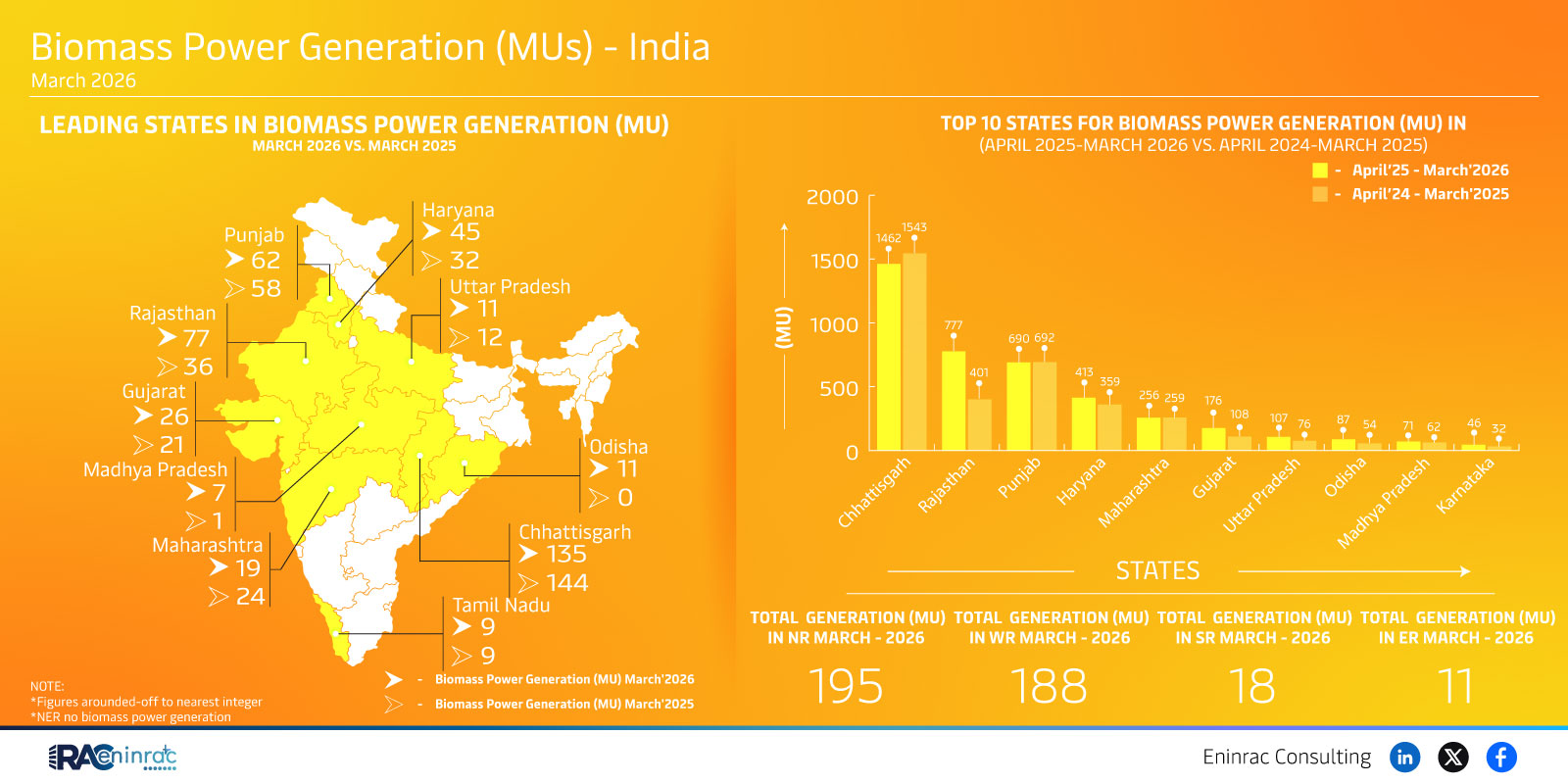
The data shows a clear shift in biomass output among Indian states. While traditional leaders such as Punjab and Haryana maintain strong generation levels, states like Uttar Pradesh and Gujarat have shown notable increases, indicating expanding feedstock availability and supportive policies.
State‑wise Performance and Year‑on‑Year Changes
During the April 2025‑March 2026 period, Punjab recorded 45 MU of biomass generation, while Haryana contributed a comparable figure. Uttar Pradesh emerged as a surprise performer with a significant rise, and Gujarat posted growth that narrowed the gap with the top producers. Madhya Pradesh and Tamil Nadu also featured in the top‑ten list, reflecting broader geographic diversification of biomass projects across India.
Impact on Sectors and Industries
Higher biomass generation supports rural economies by creating demand for agricultural residues, reducing waste, and providing additional income streams for farmers. It also strengthens the renewable energy sector, offering a stable baseload complement to intermittent solar and wind power. Investors see lower risk profiles in states with established supply chains, while policymakers can leverage biomass to meet national renewable targets and improve energy security.
Key Takeaways
- Punjab and Haryana remain top biomass generators, but Uttar Pradesh shows rapid growth.
- Gujarat's increased output signals expanding industrial feedstock use.
- Geographic diversification reduces reliance on a few states, enhancing national energy resilience.
- Biomass projects create rural employment and support waste management.
- Investors should monitor policy incentives in emerging states for new opportunities.
- Continued data tracking is essential for aligning renewable goals with regional capabilities.
FAQs
Which Indian state leads biomass power generation?
Punjab and Haryana are traditionally the leaders, each generating around 45‑58 MU.
Why is biomass important for renewable energy?
Biomass provides a reliable, dispatchable power source that complements variable solar and wind generation.
How does biomass generation affect farmers?
It creates a market for agricultural residues, offering additional income and reducing waste disposal challenges.
What policies support biomass growth in India?
State subsidies, feed-in tariffs, and central government incentives under the National Bioenergy Mission encourage project development.
Can biomass replace fossil fuels in the short term?
While it cannot fully replace fossil fuels immediately, biomass can significantly reduce coal dependence in power plants.