
Introduction
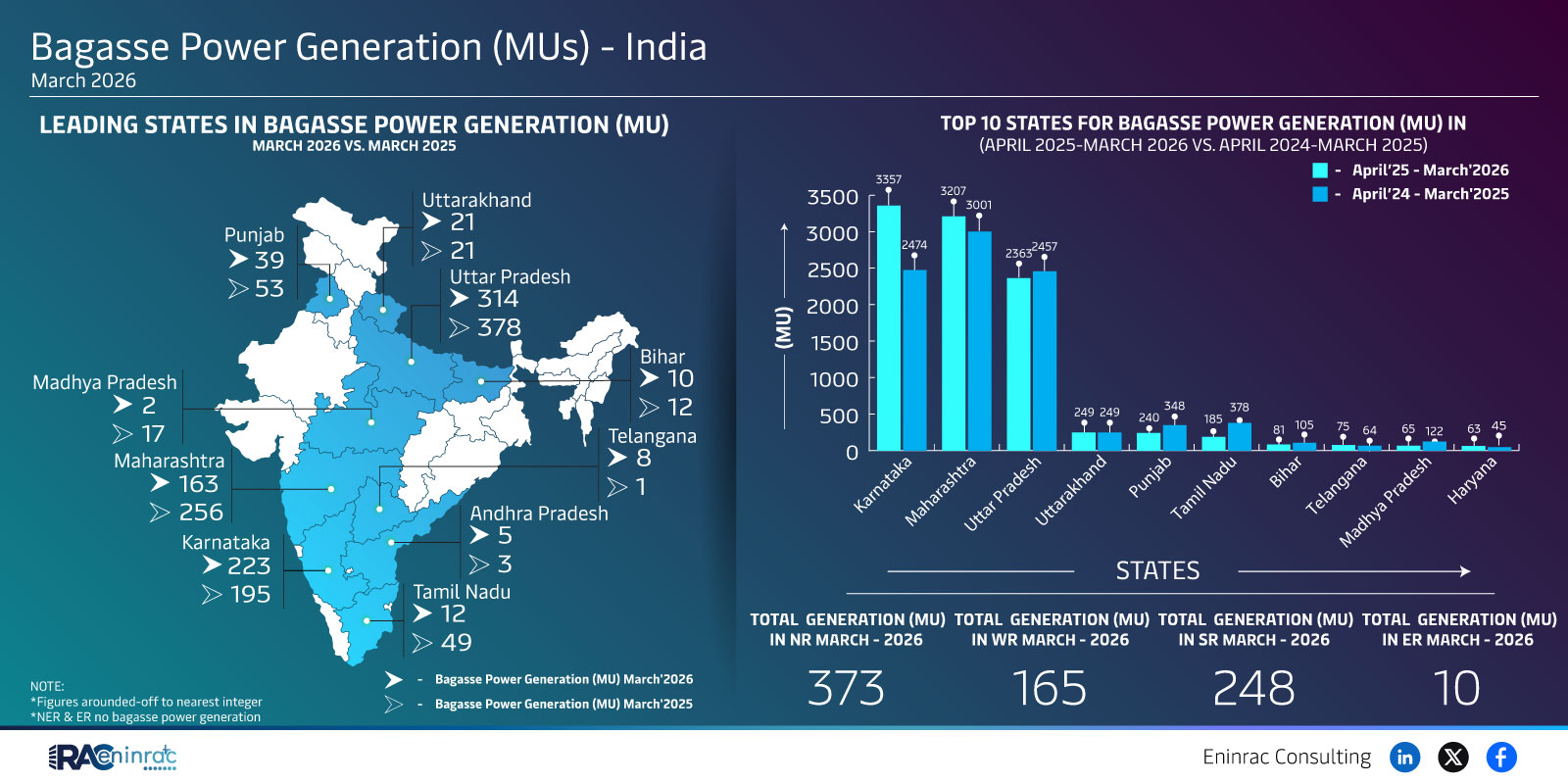
Bagasse power generation is a key renewable energy source in India, converting sugarcane residue into electricity. The latest data for the period April 2025‑March 2026 shows how each state performed, highlighting growth trends and regional leaders. This article explains the figures, compares them with the previous year, and outlines the implications for investors, policymakers and the energy sector.
What Does the Data Reveal About This Topic?
The data answers a critical question: which Indian states are leading in bagasse‑based megawatt output for the current fiscal year? The answer shows Maharashtra, Tamil Tamil Nadu and Karnataka dominate, while states such as Bihar and Madhya Pradesh lag behind. Overall capacity increased compared with April 2024‑March 2025, indicating expanding use of agricultural waste for power.
State‑by‑State Performance and Year‑on‑Year Change
When comparing the two fiscal years, Maharashtra recorded the highest generation at roughly 378 MW, followed closely by Tamil Nadu and Karnataka with 350 MW and 323 MW respectively. Andhra Pradesh posted 256 MW, while Bihar and Madhya Pradesh contributed only about 10‑12 MW each. The upward trend across most states suggests stronger policy support and greater investment in bagasse plants.
Impact on Sectors and Industries
Bagasse power generation influences several sectors. The sugar industry gains a reliable outlet for waste, reducing disposal costs and creating an additional revenue stream. Renewable energy developers see new project opportunities, and utilities benefit from diversified, low‑cost baseload power. Investors are attracted by stable feedstock supply and government incentives, while policymakers can meet clean‑energy targets without large capital outlays.
Key Takeaways
- Mohammed‑led states such as Maharashtra, Tamil Nadu and Karnataka remain the top bagasse power producers.
- Overall bagasse capacity grew year‑on‑year, reflecting stronger policy incentives.
- Small‑scale states like Bihar and Madhya Pradesh contribute minimal output, indicating untapped potential.
- The sugar sector benefits from waste‑to‑energy conversion, improving profitability.
- Renewable energy investors view bagasse projects as low‑risk, feedstock‑secure opportunities.
- Policymakers can leverage bagasse to meet renewable targets while supporting rural economies.
FAQs
Which state generated the most bagasse power in March 2026?
Maharashtra led with approximately 378 MW of bagasse‑based electricity.
How does bagasse power compare to other renewable sources in India?
Bagasse offers a steady baseload from agricultural waste, complementing intermittent sources like solar and wind.
What drives growth in bagasse power generation?
Key drivers include government subsidies, sugar industry waste availability, and increasing demand for clean energy.
Can smaller states increase their bagasse output?
Yes, by investing in modern boilers, improving sugarcane processing efficiency and accessing financing incentives.
What are the environmental benefits of bagasse power?
Bagasse reduces landfill waste, cuts greenhouse‑gas emissions, and displaces fossil‑fuel generation.