
Introduction
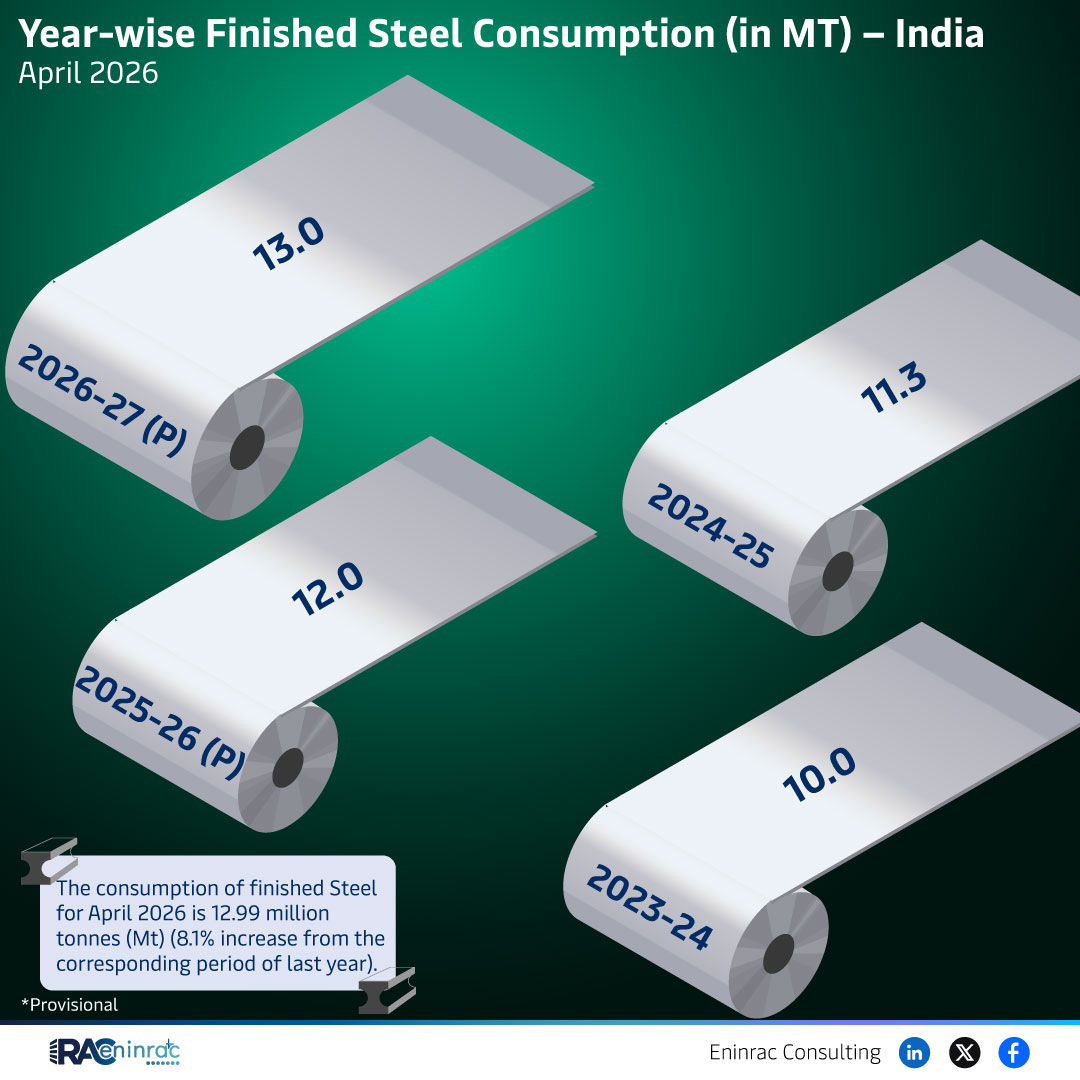
India's finished steel consumption for April 2026 reached 12.99 million tonnes, marking an 8.1% increase over the same month last year. This surge reflects growing demand across construction, automotive, and infrastructure sectors, and signals broader economic momentum. Readers will learn the key drivers behind this growth, its implications for industry stakeholders, and what the data suggests for future trends.
What Does the Data Reveal About This Topic?
The primary insight is a solid 8.1% year‑on‑year rise in steel usage, indicating robust activity in sectors that rely heavily on steel. This question‑answer style highlights why the increase matters and how it aligns with India's industrial policies and global market conditions.
Regional and Sectoral Drivers of Steel Demand
When comparing April 2026 to previous periods, the most pronounced growth appears in the western and southern regions, where infrastructure projects and urban housing expansions are accelerating. The automotive sector contributed significantly, driven by higher vehicle production and a shift toward electric models that still require substantial steel components. Meanwhile, renewable energy installations, such as wind turbine foundations, added to the demand, showcasing a diversified consumption pattern.
Impact on Sectors and Industries
The rise in steel consumption influences multiple stakeholders. Manufacturers benefit from higher order volumes, prompting capacity upgrades and potential price adjustments. Investors see a positive signal for steel producers and downstream industries, encouraging capital inflows. Policymakers can gauge the effectiveness of stimulus measures aimed at infrastructure development, while consumers may experience modest price fluctuations as supply chains respond to heightened demand.
Key Takeaways
- April 2026 steel consumption reached 12.99 MT, an 8.1% YoY increase.
- Infrastructure and housing projects are primary growth engines.
- Automotive production, including EVs, adds notable demand.
- Western and southern regions lead the consumption surge.
- Higher demand may trigger capacity expansions for steel mills.
- Investors view the data as a bullish indicator for the sector.
FAQs
Why did steel consumption rise in April 2026?
Increased infrastructure spending, higher vehicle production, and growth in renewable energy projects drove the 8.1% rise.
Which Indian regions showed the strongest steel demand?
The western and southern states reported the most significant consumption growth.
How does this data affect steel manufacturers?
Manufacturers can expect higher order volumes, prompting potential capacity upgrades and strategic pricing.
What does this mean for investors?
The upward trend signals a healthy market, encouraging investment in steel producers and related supply chains.
Will steel prices increase as a result?
Higher demand may lead to modest price rises, but market dynamics and inventory levels will also play a role.