
Introduction
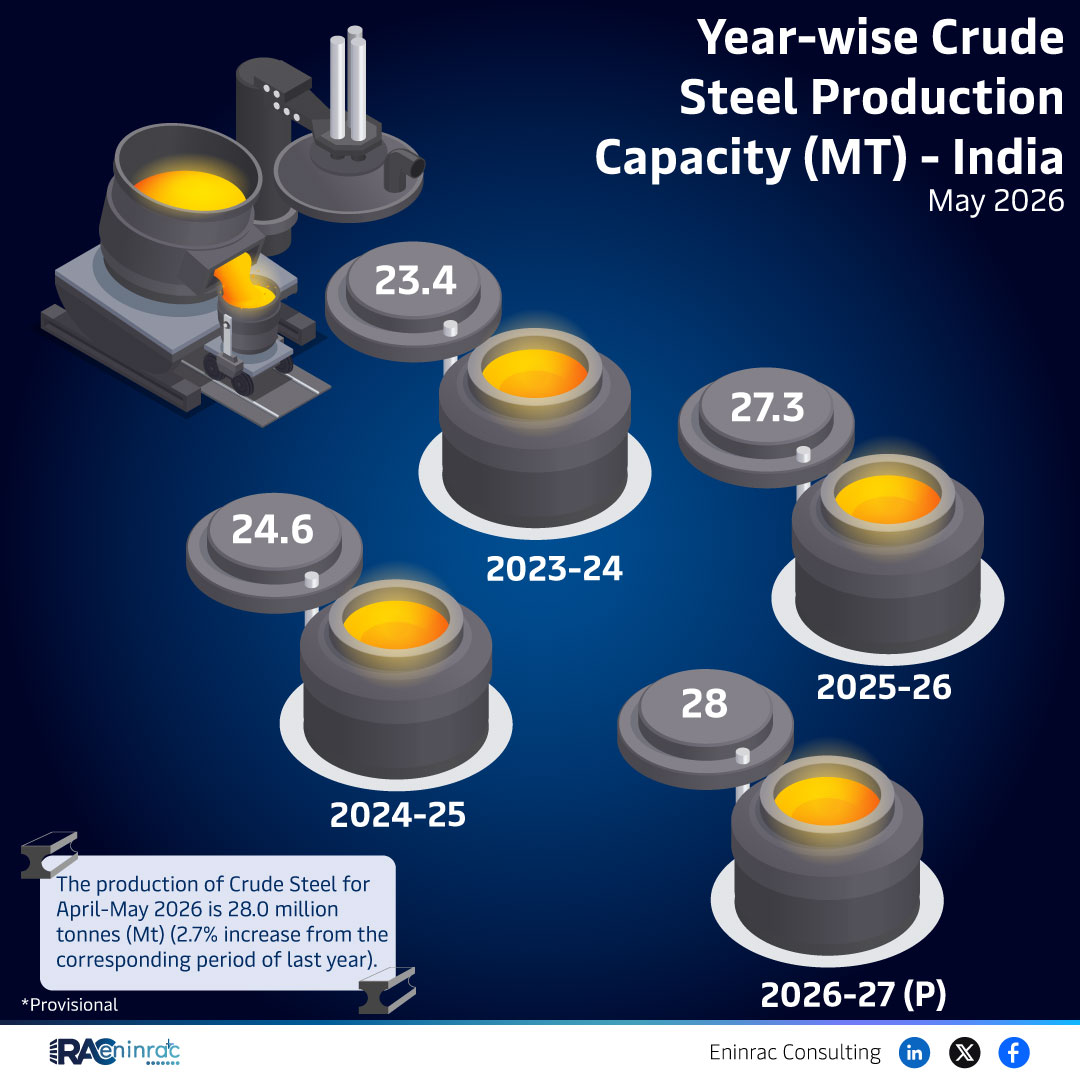
India's crude steel output for the period April to May 2026 reached 28.0 million tonnes, marking a 2.7% rise compared with the same timeframe last year. This increase signals a strengthening manufacturing base and highlights the country's role in global steel markets. Readers will learn the significance of this growth, its drivers, and the broader implications for industry and policy.
What Does the Data Reveal About This Topic?
The key insight is that crude steel production grew by 2.7% year‑on‑year in the first two months of the fiscal year. This modest yet notable rise suggests improved capacity utilisation, higher demand from construction and automotive sectors, and effective policy support for domestic steelmakers.
Comparative Production Trends in Early 2026
When compared with the previous year’s 27.2 MT output, the 28.0 MT figure reflects a positive shift. While the growth rate is lower than the double‑digit expansions seen in 2023, it outpaces many regional peers that faced raw material constraints. The data also hints at a gradual recovery from pandemic‑induced slowdowns, with Indian mills operating closer to full capacity.
Impact on Sectors and Industries
Higher steel production benefits construction, infrastructure, automotive, and machinery sectors by ensuring a steady supply of raw material at competitive prices. Investors view the uptick as a sign of robust demand, encouraging capital inflows into steel plants and ancillary services. Policymakers can leverage this momentum to promote export growth and reduce reliance on imports, supporting trade balance objectives.
Key Takeaways
- India produced 28.0 MT of crude steel in April‑May 2026.
- Year‑on‑year growth of 2.7% indicates a recovering market.
- Improved capacity utilisation drives the increase.
- Construction and automotive demand remain primary catalysts.
- Growth supports investor confidence and potential export expansion.
- Policymakers can use the trend to strengthen domestic steel policy.
FAQs
What was India's crude steel output in April‑May 2026?
It was 28.0 million tonnes.
How does this compare with the same period last year?
The output rose by 2.7% from 27.2 MT.
Which sectors are driving the steel demand?
Construction, infrastructure projects, automotive manufacturing, and machinery production.
Will this growth affect steel prices?
Higher domestic supply can help stabilise or modestly reduce prices, benefiting downstream industries.
What does this mean for steel investors?
The positive trend signals a healthier market, encouraging investment in capacity expansion and related services.