
Introduction
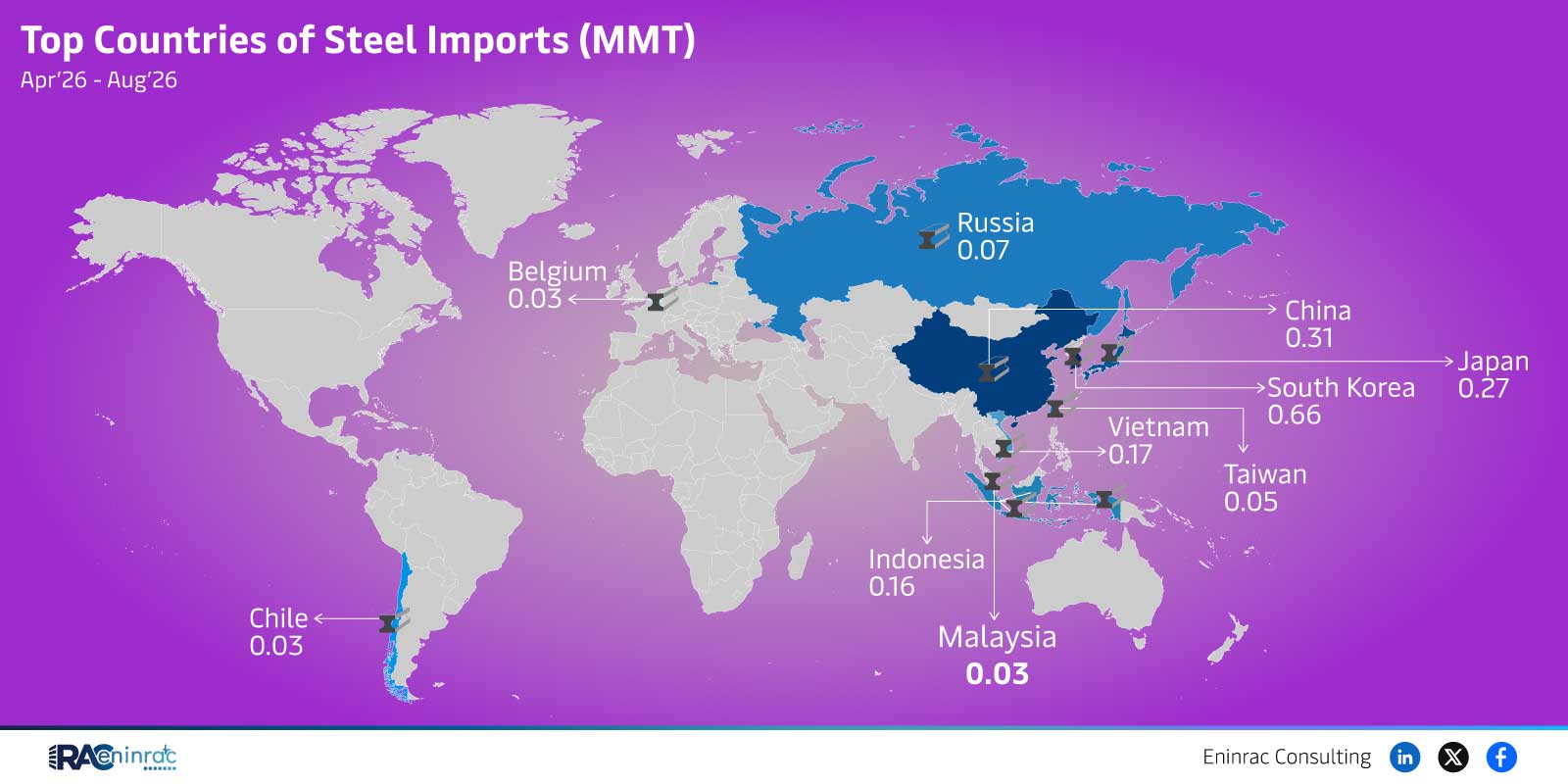
The period from April 26 to August 26 shows a clear snapshot of steel imports across key Asian economies. Understanding which nations lead in steel imports helps analysts gauge demand pressures, supply chain dynamics, and regional economic health. This article breaks down the latest figures for Japan, South Korea, Indonesia and Malaysia, explains what the numbers mean, and highlights the broader implications for industry stakeholders.
What Does the Data Reveal About This Topic?
Does the raw data indicate a shift in steel import patterns among Asian nations? The answer is yes. Japan and South Korea together account for the largest share of imports, while Indonesia and Malaysia contribute modest volumes. The figures suggest a concentration of demand in highly industrialised economies, with emerging markets playing a supportive but growing role.
Top Steel Importing Countries in Asia
Japan leads the region with the highest import volume, reflecting its robust automotive and machinery sectors that rely heavily on high‑grade steel. South Korea follows closely, driven by its shipbuilding and electronics industries. Indonesia records a smaller yet notable import figure, signaling expanding infrastructure projects and construction activity. Malaysia’s import level is minimal in this time frame, indicating either sufficient domestic production or limited demand during the observed months.
Impact on Sectors and Industries
These import trends affect several key sectors. In Japan, the automotive supply chain depends on steady steel imports to meet production targets, while South Korea’s shipyards require bulk steel for large‑scale vessel construction. Indonesia’s growing infrastructure initiatives increase demand for construction steel, influencing local market pricing. Even low import volumes in Malaysia can influence regional pricing benchmarks, as traders watch cross‑border flows to anticipate supply shifts. Investors and policymakers monitor these patterns to adjust trade policies, tariffs, and investment strategies.
Key Takeaways
- Japan remains the dominant importer of steel in the observed period.
- South Korea’s import volume is almost on par with Japan, underscoring its heavy industrial base.
- Indonesia shows a rising trend, reflecting infrastructure growth.
- Malaysia’s modest imports suggest limited short‑term demand.
- Concentrated imports hint at supply‑chain dependence on external steel sources.
- Stakeholders should watch these figures for future policy and investment decisions.
FAQs
Why are Japan and South Korea the top steel importers?
Both countries have large manufacturing sectors—automotive, shipbuilding, and electronics—that require high‑quality steel not fully supplied domestically.
What does a low import figure for Malaysia indicate?
It may reflect sufficient local steel production or a temporary slowdown in construction and manufacturing activity.
How could Indonesia’s imports affect its economy?
Increasing steel imports support infrastructure projects, which can boost employment, improve logistics, and attract foreign investment.
Do these import numbers influence global steel prices?
Yes, large import volumes from major economies can affect global supply‑demand balances, influencing benchmark prices.
What should investors watch for after this period?
Future import trends, trade policy changes, and domestic production capacity expansions are key indicators for investment decisions.