
Introduction
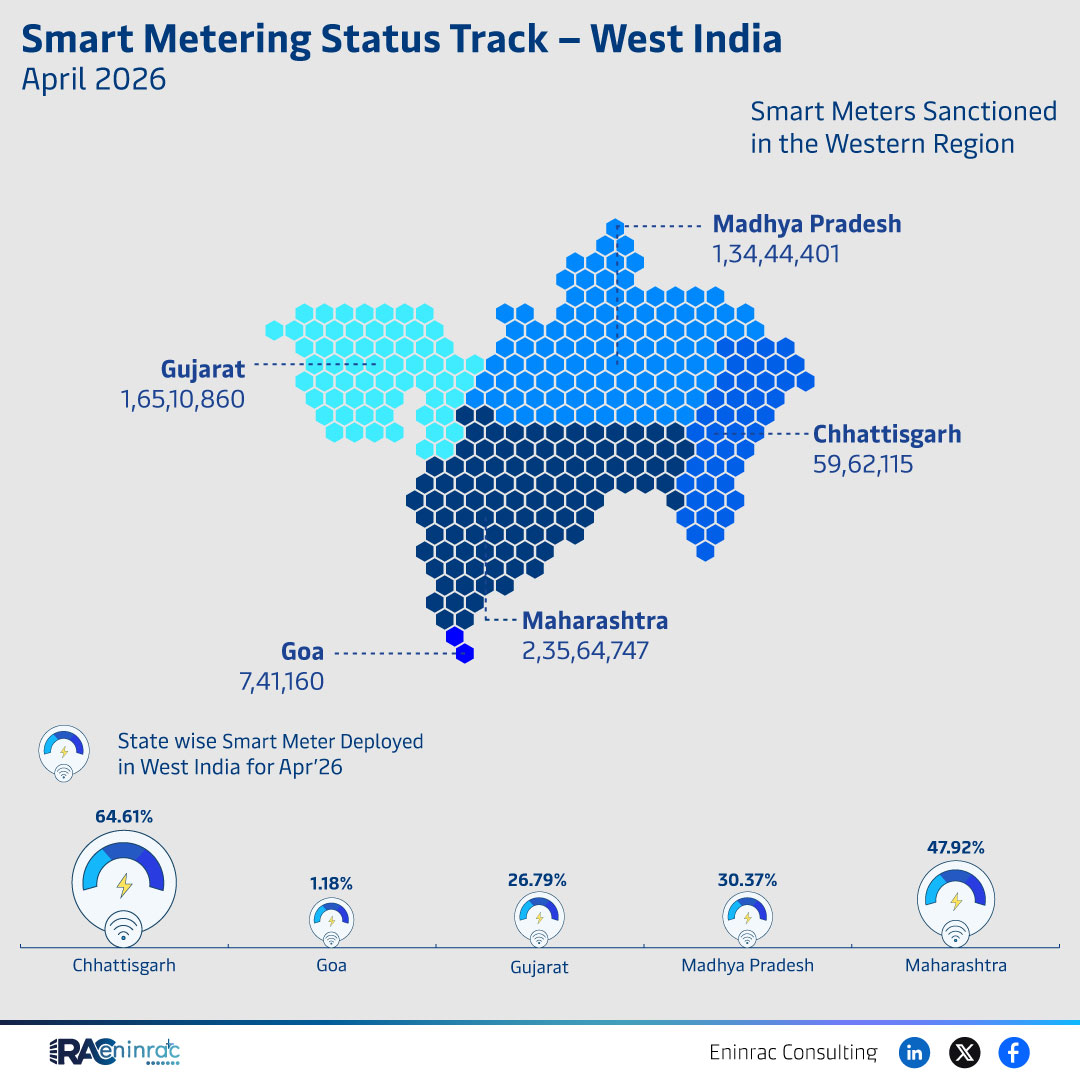
The April 2026 smart metering report for Western India provides a detailed snapshot of meter installations across key states. Understanding these figures is essential for utilities, investors, and policymakers who track the progress of modern grid infrastructure and its impact on energy efficiency.
What Does the Data Reveal About This Topic?
The data shows that Gujarat leads with 1,34,44,401 sanctioned meters, followed by Maharashtra with 2,35,64,747, while Madhya Pradesh and Chhattisgarh report significantly lower numbers. This disparity highlights regional adoption rates and the varying pace of grid modernization.
State‑wise Smart Meter Adoption Trends
Gujarat’s strong performance reflects aggressive state policies and active utility participation. Maharashtra’s figure, though higher in absolute terms, includes a larger population base, indicating a lower per‑capita penetration. Madhya Pradesh and Chhattisgarh lag behind, suggesting opportunities for targeted investment and policy incentives to accelerate deployment.
Impact on Sectors and Industries
Widespread smart meter adoption influences multiple sectors. Utilities benefit from improved demand forecasting and reduced losses, while technology vendors see expanded market opportunities. Investors gain clearer risk assessments, and policymakers can design more effective energy‑saving programs. Consumers ultimately enjoy accurate billing and enhanced service reliability.
Key Takeaways
- Gujarat tops the list with over 13.4 million sanctioned smart meters.
- Maharashtra records the highest absolute number but lower per‑capita coverage.
- Madhya Pradesh and Chhattisgarh show substantial growth potential.
- Smart meter rollout supports grid efficiency, loss reduction, and data‑driven decision making.
- Utility companies and technology providers stand to gain from accelerated deployments.
- Policy interventions can close the adoption gap in lagging states.
FAQs
Which state has the most smart meters sanctioned in Western India?
Gujarat leads with 1,34,44,401 sanctioned meters as of April 2026.
Why does Maharashtra have a high total but lower per‑capita penetration?
Maharashtra’s large population dilutes the per‑capita figure despite a high absolute count of 2,35,64,747 meters.
What are the benefits of smart meter deployment for utilities?
Smart meters enable real‑time monitoring, reduce technical losses, improve billing accuracy, and support demand‑response programs.
How can investors use this data?
Investors can identify high‑growth regions, assess market readiness, and allocate capital to technology vendors and utility projects.
What actions can lagging states take to boost smart meter adoption?
States can introduce incentives, streamline regulatory approvals, and partner with private firms to accelerate installations.