
Introduction
The February 2026 report on permanent magnet synchronous generator (PMSG) installations highlights emerging renewable projects across the northeastern states of India. Understanding where these installations are located, their scale, and the regional impact helps investors, policymakers, and industry analysts gauge the growth of clean energy in a strategically important part of the country.
What Does the Data Reveal About This Topic?
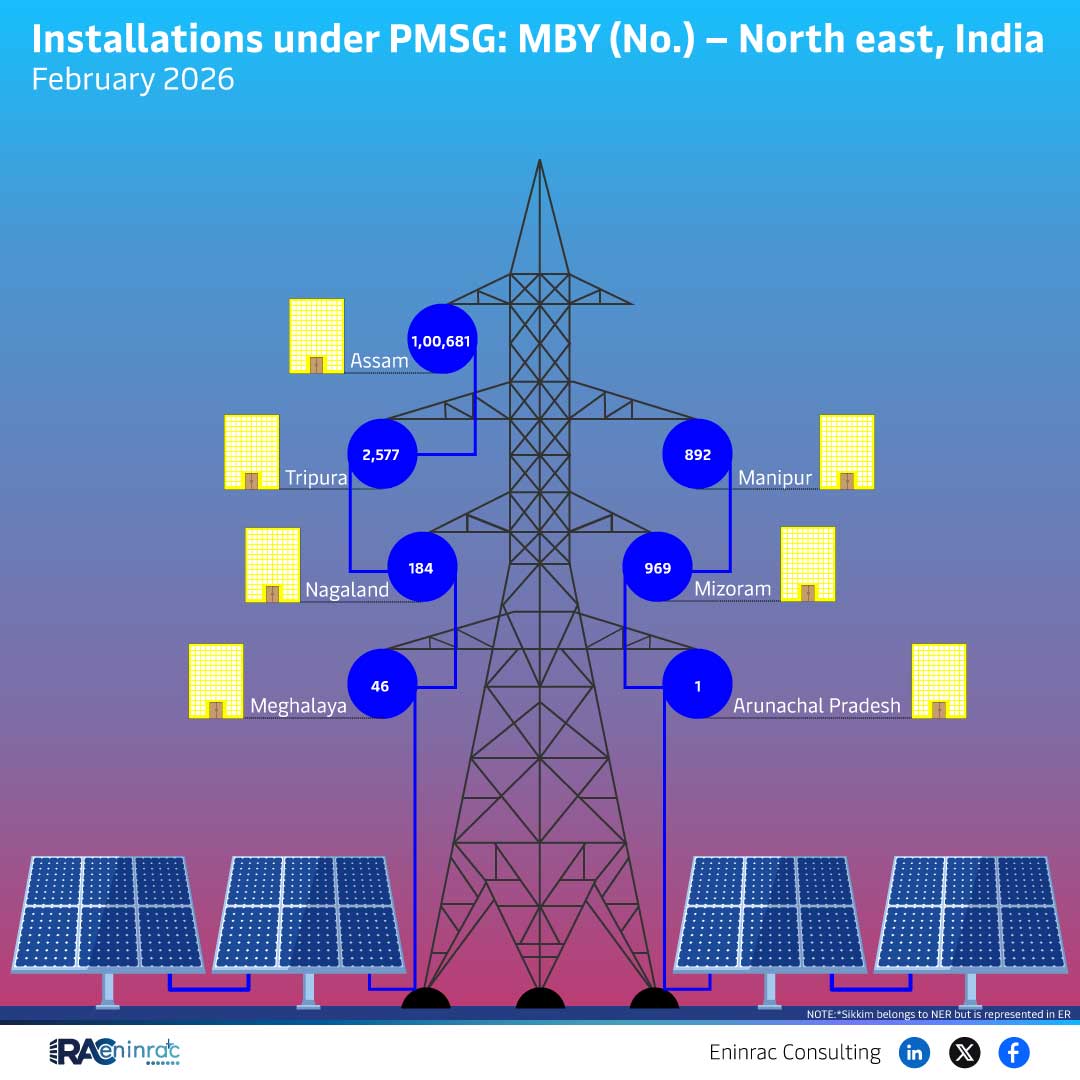
The raw data lists PMSG installations in Manipur, Nagaland, and a location referred to as "MBY" in the northeast. The numbers suggest a modest but notable rollout of advanced wind turbine technology in states that have historically lagged behind southern and western regions in renewable deployment. This raises the question: why are these states now attracting PMSG projects?
Regional Focus: Manipur and Nagaland Lead the Northeast
Manipur and Nagaland appear as the primary recipients of PMSG units, with a combined total of 184 installations reported. The reference to "MBY" likely denotes a specific project site or district within the broader northeastern corridor. Compared with other Indian regions, the northeast’s rugged terrain and high wind corridors make it suitable for PMSG technology, which offers higher efficiency and lower maintenance than conventional generators. The concentration of projects in these two states signals a targeted effort to harness local wind resources.
Impact on Sectors and Industries
These installations influence several key sectors. The renewable energy market benefits from increased capacity, attracting further private investment and encouraging local manufacturing of turbine components. Grid operators must adapt to integrate variable wind power, prompting upgrades in transmission infrastructure. For policymakers, the data supports the case for incentives that accelerate clean energy adoption in remote areas, while investors see a new frontier for portfolio diversification.
Key Takeaways
- Manipur and Nagaland host the majority of reported PMSG installations in the northeast.
- A total of 184 units indicates early‑stage but accelerating deployment.
- The terrain and wind profile of the region favor high‑efficiency PMSG technology.
- Project activity is likely to stimulate local supply chains and job creation.
- Grid integration will require targeted upgrades to handle intermittent wind generation.
- Policy incentives could further boost renewable penetration in underserved states.
FAQs
What is a PMSG and why is it important for wind energy?
A permanent magnet synchronous generator uses permanent magnets to produce electricity, offering higher efficiency, lower maintenance, and better performance at variable wind speeds.
Which northeastern Indian states are seeing the most PMSG installations?
Manipur and Nagaland are the leading states, accounting for the bulk of the reported 184 installations.
How does the terrain of the northeast support PMSG technology?
The region’s hilly landscape and strong, consistent wind corridors provide ideal conditions for high‑efficiency turbines like PMSGs.
What are the expected benefits for local economies?
Increased construction activity, skilled job creation, and the development of ancillary industries such as component manufacturing and maintenance services.
Will these installations affect India's overall renewable energy targets?
While modest in scale, they contribute to national goals by adding clean capacity and demonstrating the viability of wind projects in previously under‑utilized regions.