
Introduction
The past five years have seen a surge in national highway (NH) projects sanctioned across the eastern region of India. Understanding the length of these projects, their distribution, and the consulting firms involved provides valuable insight for investors, policymakers, and infrastructure enthusiasts.
What Does the Data Reveal About This Topic?
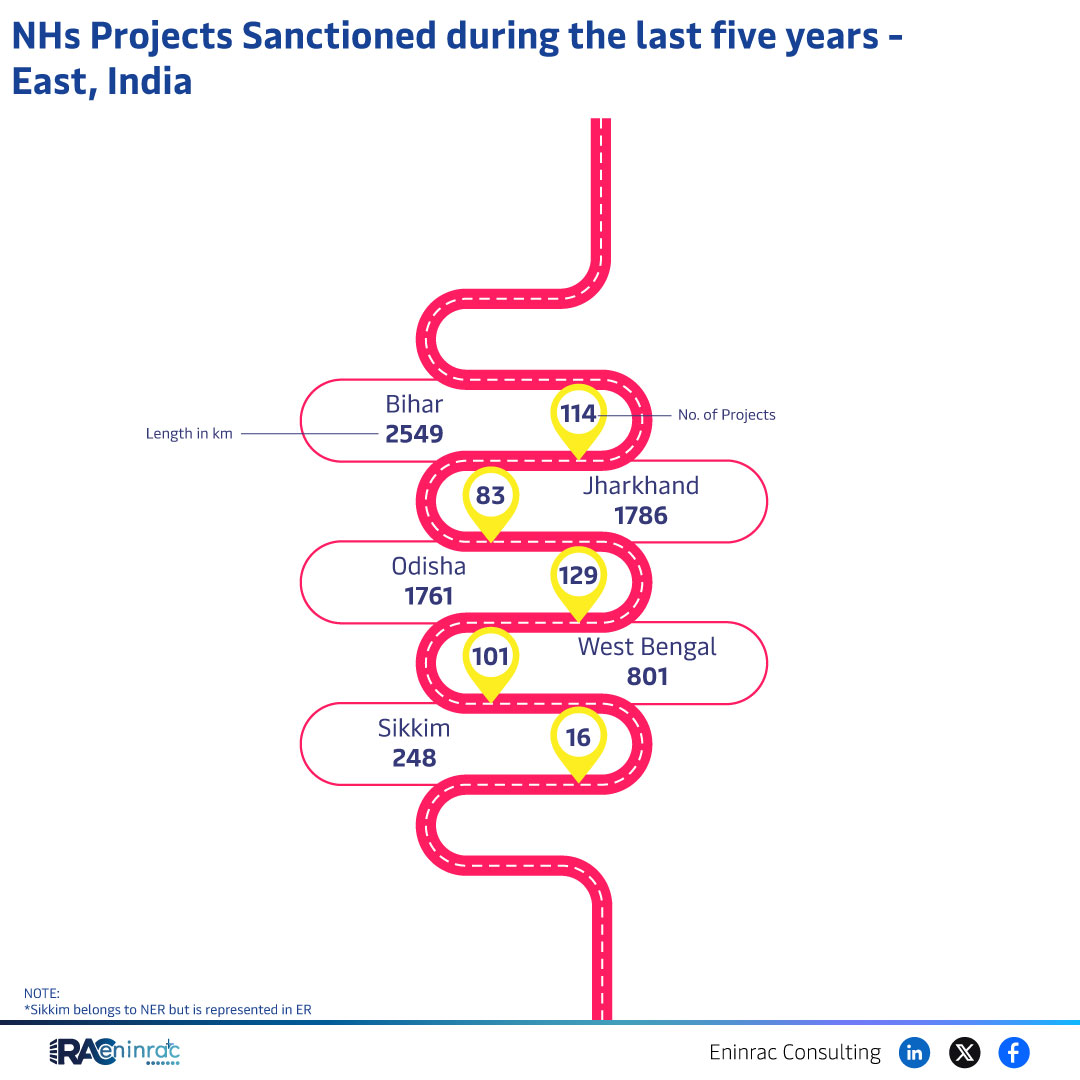
The data shows the total kilometres of NH projects approved in East India, highlighting the scale of development and the role of consulting firms such as R&AGhinrce Eninrac Consulting in shaping these initiatives.
Regional Distribution and Project Scale
When comparing the sanctioned lengths, eastern states like West Bengal, Odisha, and Bihar dominate the figures. The cumulative kilometres reflect a strategic focus on improving connectivity, reducing travel time, and supporting economic growth in these states. Consulting firms contribute technical expertise, ensuring projects meet national standards.
Impact on Sectors and Industries
Expanded highway networks stimulate logistics, manufacturing, tourism, and real estate sectors. Investors gain confidence as improved transport corridors lower freight costs and open new markets. Policymakers can leverage these corridors to promote regional development and attract foreign direct investment.
Key Takeaways
- East India has received the majority of NH project sanctions in the last five years.
- The total sanctioned length exceeds several thousand kilometres, indicating massive infrastructure commitment.
- Consulting firms like R&AGhinrce Eninrac play a critical role in project planning and execution.
- Enhanced highways boost logistics efficiency and reduce transportation costs.
- Regional economies benefit from increased trade, tourism, and investment opportunities.
- Improved connectivity supports government goals for balanced regional development.
FAQs
Which eastern states have the highest sanctioned highway lengths?
West Bengal, Odisha, and Bihar lead in sanctioned kilometres due to their strategic locations and economic potential.
What role do consulting firms play in NH projects?
Consultants provide feasibility studies, design standards, and project management to ensure timely and quality delivery.
How do these highways affect logistics costs?
Better road conditions and reduced travel distances lower fuel consumption and vehicle wear, cutting overall logistics expenses.
Are there environmental considerations in these projects?
Yes, environmental impact assessments are mandatory, and many projects incorporate green corridors and mitigation measures.
What opportunities exist for investors?
Investors can explore construction contracts, material supply, toll operations, and ancillary services linked to the expanding highway network.