
Introduction
This article examines the latest energy‑related figures reported for major Indian states including Maharashtra, Gujarat, Rajasthan, Karnataka, Madhya Pradesh, Kerala, Uttar Pradesh, and Tripura. Understanding regional energy statistics is essential for investors, policymakers, and industry analysts who track growth trends and allocation of resources across the country.
What Does the Data Reveal About This Topic?
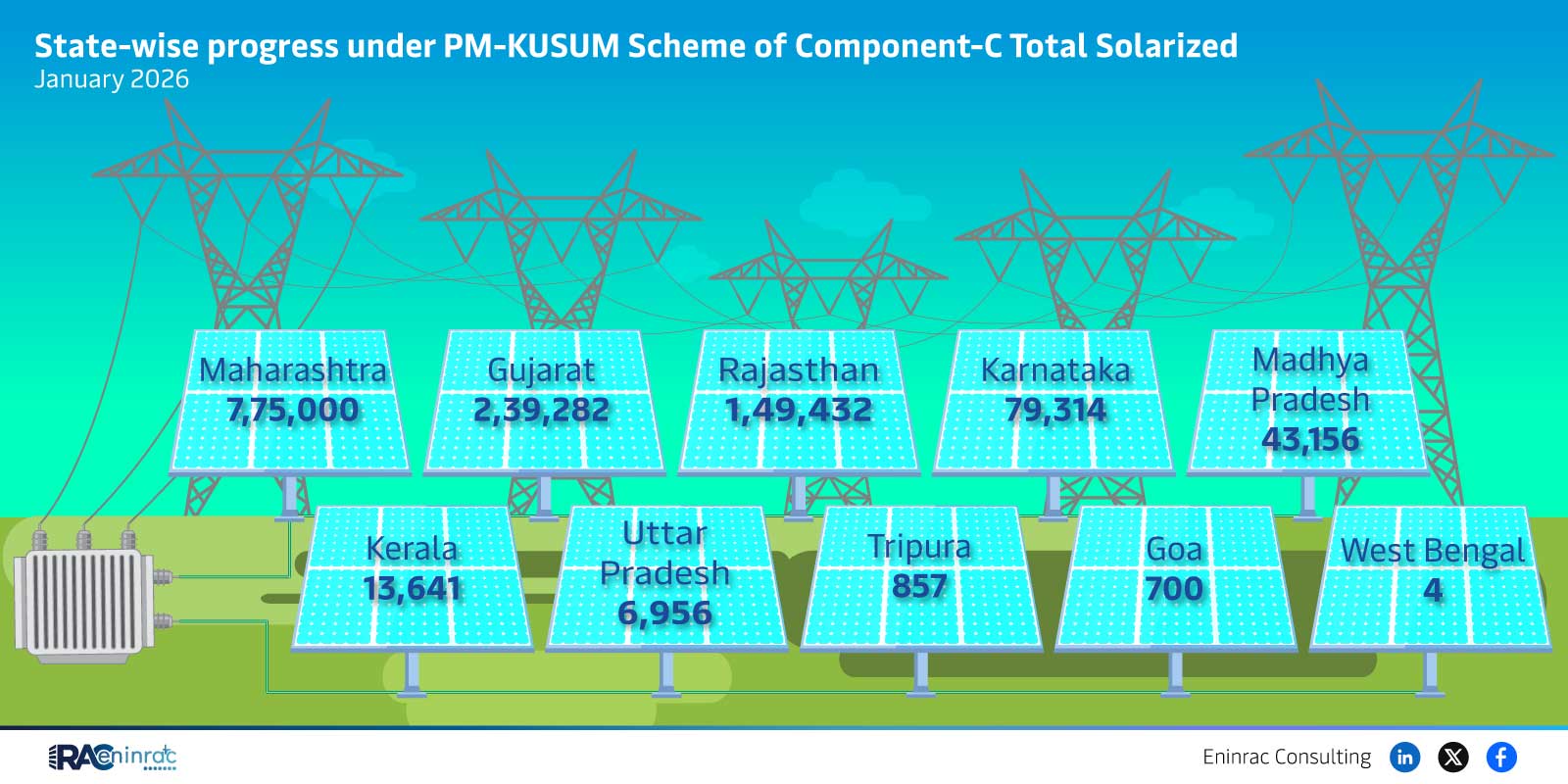
The raw numbers show that Maharashtra leads with 7,75,000 units, followed by Gujarat at 2,39,282 and Rajasthan at 1,49,432. Smaller states such as Kerala and Tripura report figures in the thousands, highlighting a stark contrast between high‑consumption regions and emerging markets.
Regional Comparison of Energy Consumption
When comparing the data, Maharashtra’s consumption is more than three times that of Gujarat and over five times that of Rajasthan. Karnataka and Madhya Pradesh record modest levels of 79,314 and 43,156 respectively, indicating mid‑tier demand. The southern state of Kerala reports 13,641 units, while Uttar Pradesh and Tripura contribute 857 and 6,956 units, underscoring the diversity of energy needs across India.
Impact on Sectors and Industries
These disparities influence several sectors. High‑consumption states attract larger renewable‑energy projects, EV battery manufacturing, and grid‑upgrade investments. Conversely, lower‑consumption regions present opportunities for new energy infrastructure, off‑grid solutions, and policy incentives aimed at boosting industrial growth and electrification.
Key Takeaways
- Maharashtra dominates energy consumption among the listed states.
- Gujarat and Rajasthan together account for nearly 40% of the total reported units.
- Karnataka and Madhya Pradesh show moderate demand, indicating growth potential.
- Kerala, Uttar Pradesh, and Tripura have relatively low figures, suggesting untapped markets.
- Regional disparities drive varied investment strategies across the energy sector.
- Policymakers can use this data to target infrastructure development and renewable incentives.
FAQs
Why does Maharashtra have the highest energy figures?
Its large industrial base, extensive transportation network, and high population drive greater energy consumption.
What opportunities exist for investors in low‑consumption states?
Investors can explore renewable projects, micro‑grid solutions, and government‑backed incentives to stimulate growth.
How does this data affect EV battery market planning?
Higher consumption states indicate stronger demand for EV infrastructure, guiding battery manufacturers to prioritize those regions.
Are there policy initiatives to balance regional energy use?
Yes, central and state governments offer subsidies and renewable targets to encourage equitable development.
What trends are expected for the next five years?
Continued urbanization and renewable adoption will likely increase consumption in mid‑tier states while opening new markets in lower‑consumption regions.