
Introduction
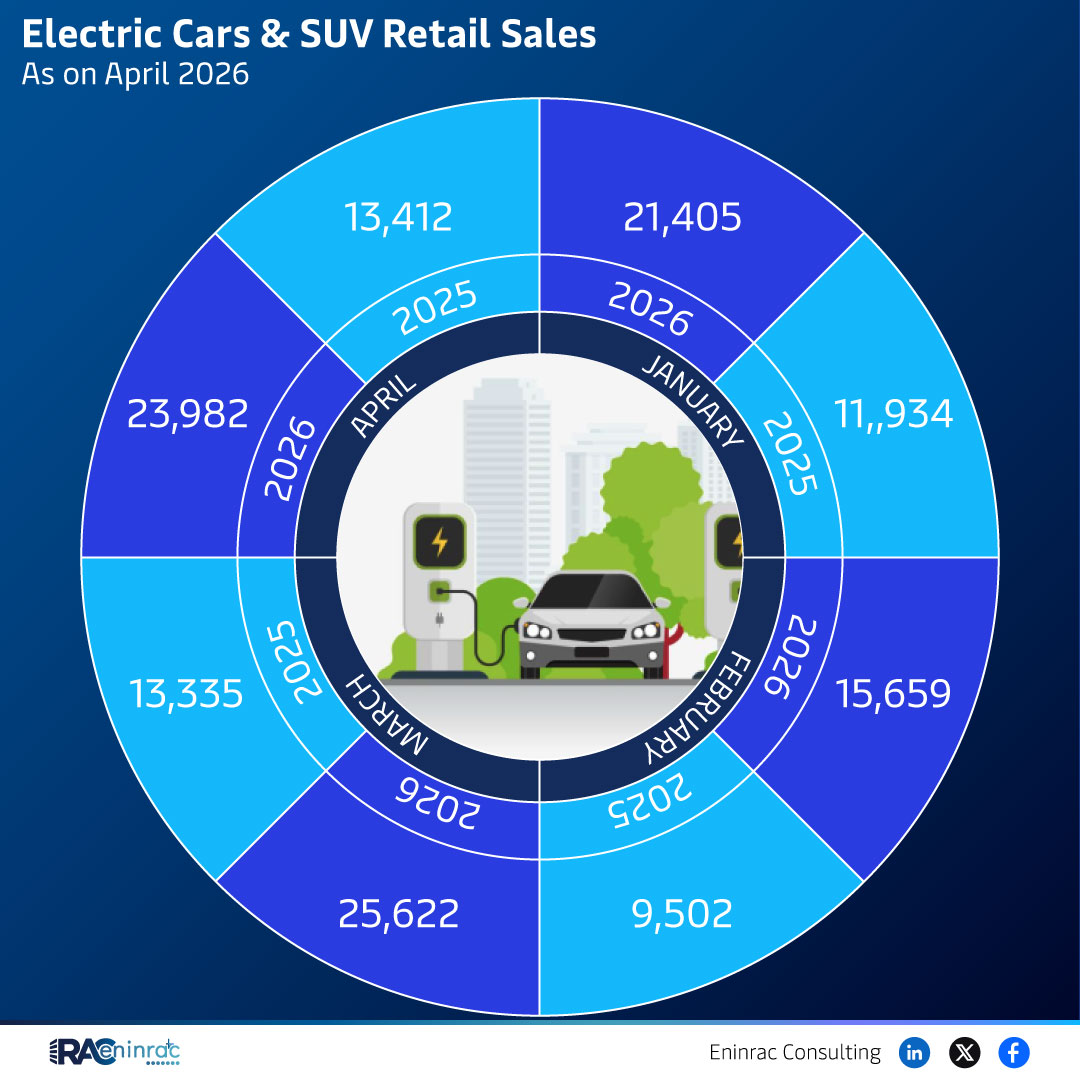
The April 2026 retail sales report for electric cars and SUVs provides a snapshot of how the market is evolving as consumers shift toward cleaner transportation. Understanding these figures is essential for manufacturers, investors, policymakers, and anyone interested in the future of mobility. This article breaks down the data, highlights key trends, and explains what the numbers mean for the broader automotive ecosystem.
What Does the Data Reveal About This Topic?
What are the most important takeaways from the April 2026 electric car and SUV retail sales numbers? The data shows a steady increase in overall electric vehicle (EV) sales, with SUVs leading the growth due to their expanding model lineup and consumer preference for larger, versatile vehicles. This surge reflects stronger consumer confidence, improved charging infrastructure, and aggressive incentives in key markets.
Regional Performance and Model Segmentation
When comparing regions, North America and Europe continue to dominate electric car sales, while Asia‑Pacific shows the fastest percentage growth. In North America, the SUV segment accounts for roughly 55% of all electric vehicle sales, driven by popular models from legacy automakers and new entrants. Europe’s growth is propelled by stricter emissions standards and generous subsidies, resulting in a balanced mix of sedans and SUVs. Meanwhile, China’s market, though large in volume, is seeing a shift toward compact electric SUVs, narrowing the gap with Western markets.
Impact on Sectors and Industries
The rise in electric car and SUV retail sales influences several sectors. Battery manufacturers experience heightened demand, prompting increased investment in lithium‑ion production and recycling facilities. Charging network providers expand rapidly to meet the needs of larger‑format vehicles that require higher power output. Automotive supply chains are adapting to new component requirements, while financial services see a surge in green financing products tied to EV purchases. Policymakers are also adjusting regulations to support infrastructure development and to align with climate targets.
Key Takeaways
- Electric SUV sales outpace sedan sales, representing over half of the EV market in April 2026.
- North America and Europe remain the largest absolute markets, but Asia‑Pacific leads in percentage growth.
- Improved charging infrastructure and government incentives are primary drivers of the sales increase.
- Battery demand is rising sharply, accelerating investment in production capacity and recycling.
- Automakers are expanding electric SUV lineups to capture consumer demand for space and versatility.
- Investors are focusing on green financing and ESG‑aligned funds linked to EV market expansion.
FAQs
Which electric SUV models are leading sales in April 2026?
Top sellers include the Tesla Model Y, Ford Mustang Mach‑E, Volkswagen ID.4, and Hyundai Ioniq 5, each benefiting from strong brand recognition and extensive dealer networks.
How do government incentives affect electric car sales?
Incentives such as tax credits, rebates, and reduced registration fees lower the effective purchase price, making EVs more competitive with internal‑combustion vehicles and boosting consumer adoption.
What challenges remain for electric SUV adoption?
Key challenges include the need for higher‑capacity fast chargers, managing battery range in larger vehicles, and ensuring affordable pricing as battery costs fluctuate.
Is the growth in electric SUV sales sustainable?
Analysts believe growth is sustainable due to ongoing policy support, expanding model choices, and continued improvements in battery technology that address range and cost concerns.
How does the rise in EV sales impact traditional oil demand?
Increasing EV adoption reduces demand for gasoline and diesel, prompting oil producers to diversify portfolios and focus on alternative energy investments.